Why Good Record Keeping Is One of the Most Important Skills for a Homeless Hostel Support Worker

Ensuring safeguarding and trauma-informed duty of care in UK hostels
Maintaining rigorous standards in UK homeless hostels requires a commitment to clarity and a deeply trauma-informed perspective. We find that the most effective way to uphold our responsibilities is through meticulous, evidence-based documentation that acknowledges the impact of trauma on resident behaviour. By prioritising objective, compassionate reporting, we create a sense of safety and predictability that is vital for residents navigating the hostel system.
Identifying trauma triggers through consistent note-taking
When we record small behavioural changes or shifts in a resident's routine, we often catch potential crises before they escalate. Consistent entries act as a vital diagnostic tool that allows us to see patterns related to trauma triggers. Without these detailed logs, subtle indicators of distress—such as social withdrawal or lack of self-care—might be pathologised rather than viewed through a supportive, trauma-informed lens.
Maintaining records for safeguarding and incident reviews
Should an untoward incident occur, the quality of our records becomes the primary source of truth for internal and external reviews. We focus on factual reporting, documenting the evidence while maintaining professional boundaries. This disciplined approach ensures that investigators have a clear, reliable narrative that remains respectful of the resident's dignity and supportive of their ongoing recovery journey.
Navigating GDPR and data protection with resident empowerment
Managing resident records means handling sensitive information that demands absolute respect for privacy. In a trauma-informed setting, we ensure that our reports are proportionate and collaborative. By keeping data secure and explaining our documentation process to residents, we build the trustworthiness that is foundational to our support relationships within the hostel.
Supporting multi-agency collaboration
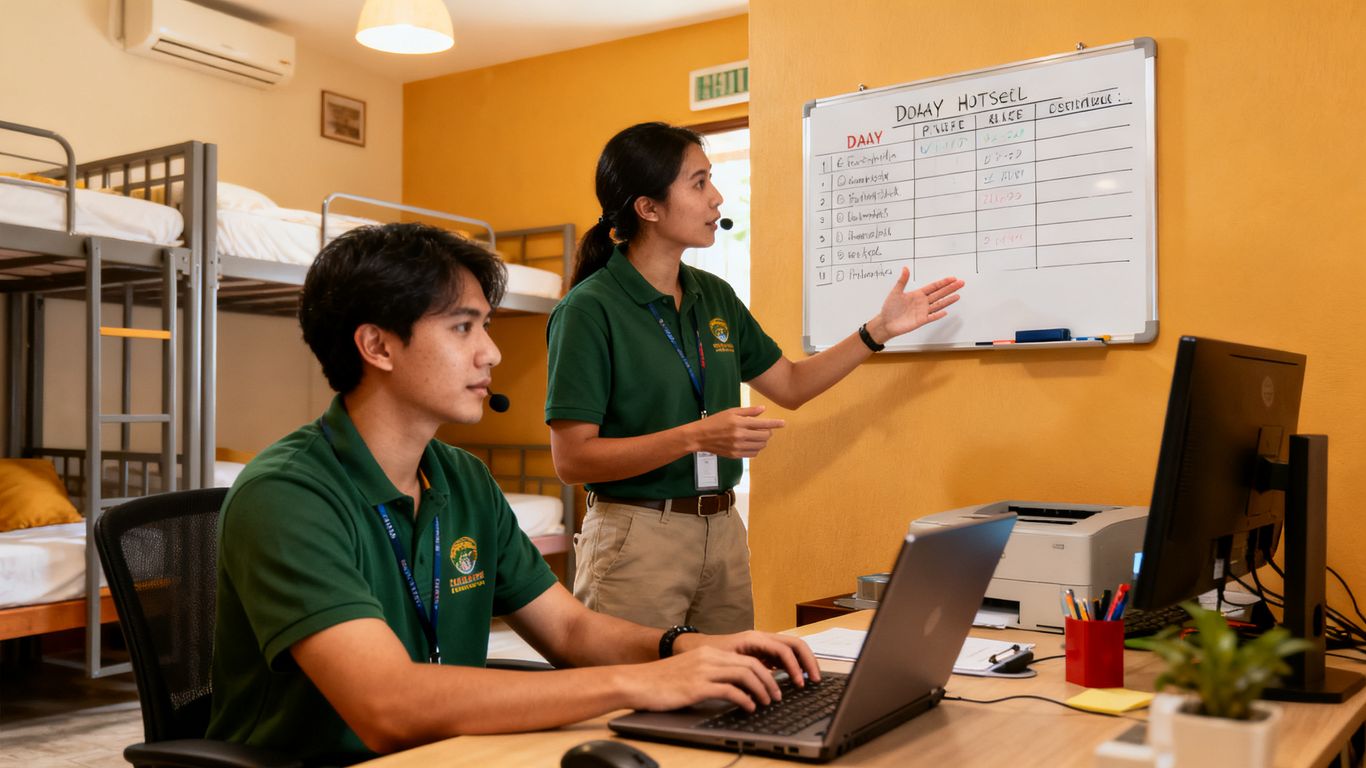 Working as part of a wider UK support network necessitates a shared language and clear reporting protocols. We often act as the initial point of contact for health professionals and local authority housing officers, meaning our notes are frequently the baseline for external assessments. By ensuring our reporting is objective, we enable partners to provide the most appropriate assistance for the resident.
Sharing information with health and local authority partners
Data interoperability is vital for seamless transitions within the UK social care sector. When we relay health data, we do so with accuracy to prevent service gaps. This information flow ensures that residents managing chronic physical or mental health conditions receive consistent care across different statutory services.
Standardising documentation and fostering informed consent
Honouring the rights of our residents involves being transparent about data sharing. We dedicate time to explaining data sharing agreements during initial hostel inductions, ensuring residents feel empowered rather than monitored. By centring agency and consent, we uphold their autonomy in every stage of their resettlement.
Improving inter-agency relationships through professional reporting
High-quality records facilitate effective shift handovers that extend beyond our immediate team to the broader multi-agency landscape. When we report clearly, we demonstrate professional competence, building trust with local authorities. Reporting is a relational act that strengthens our community standing and advocacy power for our residents.
Operational excellence and staff accountability
Regulatory expectations and funding requirements in the UK place a significant premium on our ability to demonstrate adherence to operational standards. As staff, we take pride in maintaining the integrity of the information that proves our hostel is meeting its statutory duties under local council frameworks.
Legal compliance and accountability in a homeless hostel
Funding streams depend on proven outcomes and statistical data that must be reflected in our daily logs. We pay close attention to recording engagement levels and progress towards housing goals, as this data directly supports the continuation of our essential programmes.
Protecting staff through objective evidence
An audit-ready record is the best defence for a support worker. By documenting actions clearly, we confirm that our interventions were well-reasoned, trauma-informed, and provided within the scope of our role. This practice effectively shelters staff while ensuring we continue to provide high-quality, consistent support.
Tracking resident progress and milestones
 We transition away from reactive, event-focused notes toward a proactive system that tracks developmental milestones. By using structured support planning, we monitor how residents move from crisis management to independent living, celebrating small victories while maintaining a realistic view of the resettlement journey.
Key Takeaways for Hostel Managers
- Audits as Support Tools: Frame documentation audits not as compliance checks, but as opportunities to ensure individual support plans are truly trauma-informed and resident-led.
Conclusion
Effective documentation is the invisible spine that supports everything we do in a UK homeless hostel. By committing to accurate, professional, and trauma-informed recording practices, we turn our daily interactions into a reliable evidence base that safeguards residents and empowers them to rebuild their independence. While administrative tasks can feel demanding, they are essential investments in the quality of care we offer, ensuring our service continues to provide a safe, consistent environment for the individuals who rely on us during their most challenging times.
Frequently Asked Questions
Why is documentation in UK homeless hostel record-keeping so vital?
Detailed records are critical because they provide an objective history of support, ensuring that vulnerable residents receive consistent care, legal safety for staff is maintained, and professional accountability is upheld throughout the resettlement process.
How should staff handle sensitive or private information?
Staff must follow strict UK data protection policies by ensuring that only relevant, factual information is recorded and shared with authorised personnel, always keeping a resident's right to privacy at the forefront of every note.
What should be included in a daily progress note?
Daily notes should focus on observable facts regarding a resident’s health, engagement with support plans, specific interactions, and any significant incidents, being careful to distinguish between direct observations and subjective, non-trauma-informed opinions.
How can teams improve their shift handover quality?
Teams can significantly improve handovers by using standardised logs that highlight recent incidents, pending actions, and changes in a resident's risk profile, ensuring the incoming team has the full context required for their shift.
How does objective documentation protect staff?
Objective documentation acts as a formal record of professional conduct, demonstrating that staff acted within their duty of care and institutional policies, which serves as a powerful defence during any formal investigations or audits.
Should residents be involved in the documentation process?
Yes, involving residents in the process—through goal setting, regular reviews, and transparency regarding their own files—is a cornerstone of trauma-informed care and helps to re-establish autonomy.
What should I do if I notice a decline in a resident's mental health?
Immediately document the specific, observable changes in mood, hygiene, or social habits and ensure this information is communicated to your team during the handover, escalating it to your supervisor according to your hostel’s safeguarding policy.