Should Homeless Hostels Store Residents' Medication? Risks, Responsibilities and Best Practice

The legal and ethical framework of medication management
Effective medication management in UK homeless hostels is a critical pillar of trauma-informed practice. For residents experiencing homelessness, stability often hinges on consistent access to health treatments, yet hostels face unique challenges in balancing regulatory compliance with the imperative to promote resident autonomy. Navigating this delicate intersection requires a robust framework that safeguards residents while upholding their dignity and human rights. This article examines the legal and ethical landscape of medicine governance in supported housing, providing guidance on secure storage, staff training, and the development of responsive policies. By adopting consistent, compassionate protocols, hostel managers can mitigate operational risks and foster an environment where residents feel supported in their health journeys, ultimately contributing to better long-term outcomes and meaningful systemic integration within the UK’s wider healthcare framework.
Understanding duty of care in supported housing
Our duty of care necessitates that we act in the best interests of our residents while respecting their right to privacy and self-determination. This involves assessing the potential risks associated with medication and providing support that is tailored to each individual's cognitive and physical capability. We often refer to guidance similar to managing medicines in supported living to ensure our staff understand the fine line between helpful support and overstepping into restrictive practices.
CQC and local authority regulatory requirements
Compliance with mandatory health standards is non-negotiable for any provider operating a residential service. We constantly monitor CQC registration guidelines to clarify whether our medication support is considered an ancillary activity to personal care. Ensuring we hit these regulatory marks means that our records remain audit-ready and our residents remain protected under the law.
Balancing resident autonomy with safeguarding obligations
While we empower residents to manage their own health, we must intervene when risk levels escalate significantly. This balancing act requires us to establish a collaborative and trauma-informed approach to care that keeps the dialogue open between staff and residents. By maintaining proactive communication, we avoid the pitfalls of restrictive practice while ensuring that harm is prevented before it manifests.
Assessing the risks of centralised storage vs. self-administration
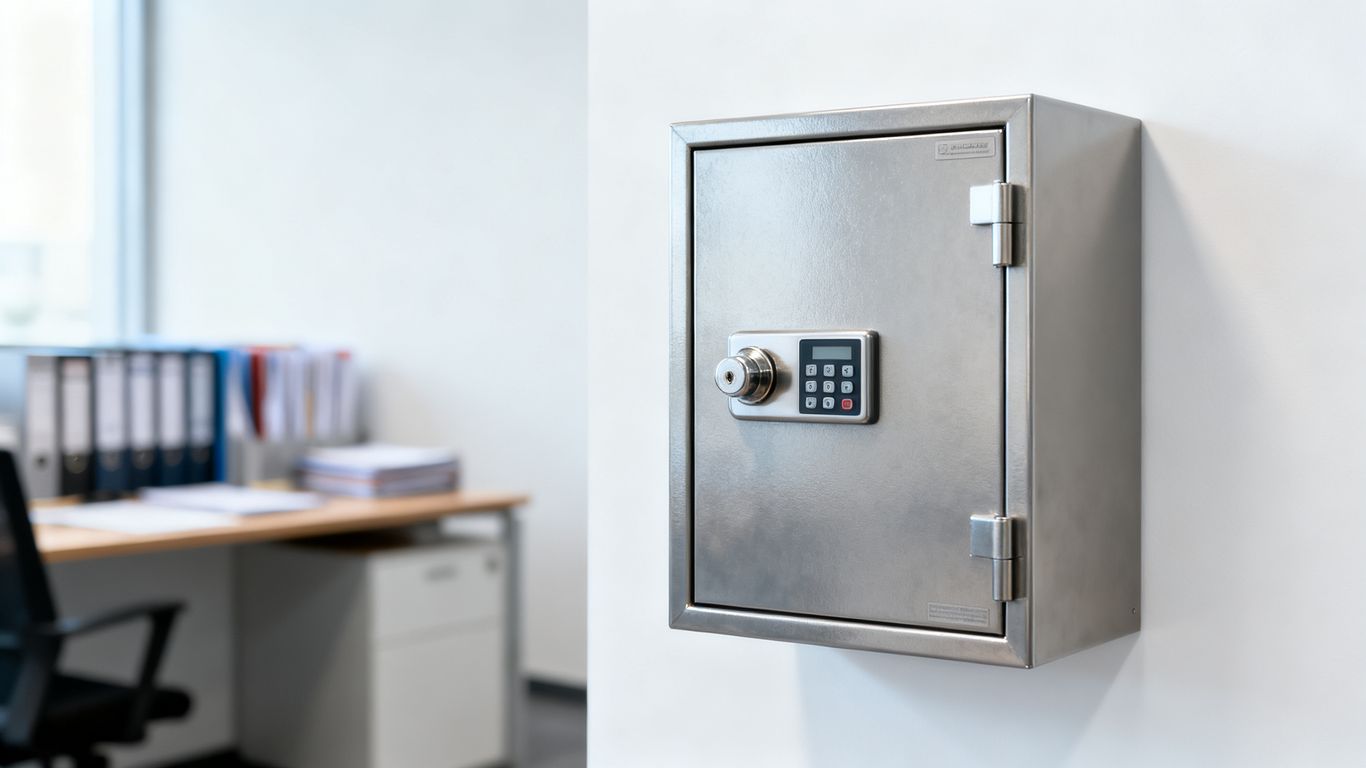 Centralised storage presents a variety of challenges that every managed facility must address with precision. Deciding where to hold medication requires weighing the benefits of professional security against the loss of resident independence. When we evaluate these risks, we prioritize the physical safety of our residents while attempting to maintain a welcoming home environment that does not feel like a clinical ward.
Mitigating the risks of theft and medicine diversion
Securing medication in a monitored environment is critical to ensure that residents and staff are not exposed to the risk of theft or unauthorized access. We follow strict protocols to ensure that inventory is accounted for throughout every shift without creating unnecessary barriers for the residents. By limiting access to authorized personnel only, we minimize potential points of vulnerability and maintain a chain of custody for all prescribed items.
Managing accidental misuse or potential overdose
The most serious risk we face involves the unintentional ingestion of medicine, particularly when complex conditions are present. Our team monitors for concerning behavioral shifts that might suggest an medication issue, and we align our internal protocols with resources to identify when resident sleeping patterns indicate potential health decline or substance use risks. Prompt detection allows us to intervene early and seek external medical consultation, effectively managing the risk of crisis before it requires emergency services.
Addressing the practical challenges of restricted access
Restricted access often conflicts with the desire for autonomy, leading us to seek solutions that increase safety without infringing on access. We aim to keep medicine as accessible as safely possible while preventing common storage mistakes, as discussed in safe medicine storage tips. For some, daily access is necessary for compliance, and we adjust our storage methods to ensure accessibility remains consistent with their overall support plans.
Developing a robust hostel medication storage policy
A comprehensive policy document provides the foundation for consistent, safe, and professional conduct across all shifts. By codifying our methods, we ensure that every member of the team understands their responsibilities regarding inventory, storage, and reporting. These procedures are vital for minimizing human error and ensuring we remain accountable for the health services we facilitate.
Defining access protocols and identifying authorised personnel
We utilize a strictly defined hierarchy for who can interact with stored medications and under what specific circumstances. This ensures that records remain clean and that accountability is localized. Our team at BCHA follows these protocols to maintain high consistent standards across all shifts, ensuring that entry into secure storage is only granted to trained staff members who acknowledge the clinical responsibility.
Implementing secure signage and digital inventory tracking
Modern tracking software allows us to maintain accurate logs of all dispensed doses and stock levels with high levels of reliability. By using these systems, we reduce the time spent on manual record-keeping and focus more on the residents themselves. This digital oversight is a key component in maintaining the integrity of our night concierge team as they oversee building security and incident reports during the overnight hours.
Standards for temperature control and clinical hygiene
Maintaining the efficacy of medication requires strict adherence to environmental controls, such as keeping items in cool, dry areas and away from direct heat sources. Our cleaning schedules include the sanitization of storage zones to prevent cross-contamination or degradation. We focus on these details to ensure that the medication is always in the best possible condition when it reaches the resident:
- Daily monitoring of ambient temperatures in storage rooms.
- Regular inspection of all medication containers for integrity.
- Proper labeling protocols for all loose or supplemental items.
- Weekly cleanup of storage areas to prevent accidental mixing.
Properly maintained inventory records protect both the residents, who receive consistent treatment, and the organization, by reducing the probability of medication error.
Guidelines for handling and recording controlled substances
Recording and managing controlled substances require a heightened level of detail and a secondary check system for every action taken. We document every movement in a tamper-evident register, ensuring that any variation in quantity is immediately investigated. This rigorous approach is standard practice for our night intensive housing officers who operate with comprehensive training to ensure these critical substances are accounted for at every transition or handover.
Best practices for supporting resident compliance
 Fostering compliance is less about enforcing strict rules and more about understanding the unique barriers each resident faces. We find that when residents feel their choices are respected, they are more likely to engage with their prescribed routines. Our goal is to build a collaborative environment where medical support is viewed as an extension of their path toward wellness.
Creating a culture of trust and collaborative care
Building trust is foundational to success in any supported housing project, particularly when coordinating long-term healthcare needs. We prioritize transparent communication so that residents feel comfortable discussing their challenges with adherence or side effects. This culture of openness acts as a buffer against common issues like managing behavioral conflict and makes the entire support journey much more manageable for everyone involved.
Managing residents with complex needs and dual diagnoses
Supporting residents with co-occurring physical and mental health issues requires a highly individualised approach that accounts for varied personal triggers. We often facilitate communication with external health teams to ensure that medication plans are adjusted appropriately as the resident's needs evolve over time. This coordination prevents the common trap of isolated support and helps integrate the resident into the wider health framework available in their community.
Systems for medication prompts and adherence support
We employ various strategies to support consistent adherence, ranging from automated reminders to face-to-face check-ins. By tailoring these systems to the resident's specific lifestyle, we minimize the friction that often prevents individuals from following their medical regimens. We have observed that when residents engage with supportive housing operations, they are often more amenable to utilizing these prompts, as they feel more integrated into a genuine community framework.
Monitoring for adverse effects and self-harm indicators
Monitoring for unexpected health impacts requires staff to be highly vigilant without being overly intrusive or monitoring-heavy. We teach our teams to recognize the early signs of physical or psychological distress that may suggest a need for professional review. A useful perspective for staff is that they are not acting as clinicians but as trained observers who ensure that resident safety is prioritized through firm but compassionate boundaries and professional documentation.
Staff training and maintaining professional boundaries
Our training regime prepares employees for the reality of day-to-day work in a fast-paced environment where medical needs can shift suddenly. We emphasize the necessity of emotional resilience alongside technical knowledge, ensuring that staff understand why their own boundaries are crucial for long-term health and safety at work.
Defining the distinction between supervision and administration
It is vital that staff know exactly where their professional limit lies regarding medical intervention. Our training clearly defines the line between providing general support, such as helping a person to remember their dose, and the act of administering medication. Maintaining this wall between general support and clinical administration is essential for professional safety and organizational compliance.
Training employees on clinical record-keeping and data protection
Accurate clinical records form the backbone of our accountability and legal integrity. We provide extensive training on GDPR-compliant data entry, ensuring that every record is handled with care and stored securely. This ensures that if a transition takes place, or a medical issue is raised, we have the records required to protect all involved parties during external assessments.
Handling medication emergencies and reporting mandatory incidents
When incidents occur, the initial human reaction can be to panic, but our training replaces that with a standard, calm reporting loop. Every staff member is taught how to categorize an incident, provide basic first aid, and escalate the event to health partners. This ensures that whether we are dealing with a missed dose or an adverse reaction, the response is swift, documented, and focused on resident well-being.
Managing medication transitions and resident departures
Transitions in housing are periods of significant risk for continuity of care, making the move-in and move-out process essential milestones. We view these shifts not merely as administrative tasks, but as vital opportunities to ensure the resident's ongoing health is maintained. Whether they are starting a new lease or moving on, our processes guard against gaps in supply or support.
Safe procedures for checking in medications upon admission
Upon checking in a new resident, we initiate a full inventory and verification process to ensure their current medication plan is safe and up to date. This often involves checking their current supplies against prescriptions provided by their GP. Initiating a detailed audit right at the start prevents confusion and establishes a baseline of trust and safety that continues as long as they reside with us.
Secure disposal protocols for unwanted or expired medication
Disposing of expired or unwanted pharmaceuticals is a serious responsibility that we manage through local approved pharmacies. We never dispose of items on-site, as this violates health standards and risks potential poisoning or environmental harm. Our policy ensures that such items are securely packaged and handed over to professionals who can complete the disposal safely and according to environmental law.
Ensuring continuity of supply during move-on or discharge processes
When a resident finally moves on, we verify that they have an adequate supply of medication and the necessary documentation for their next care provider. We coordinate with the receiving service to ensure that the hand-off is seamless and that no gap in treatment occurs. This final step is our last opportunity to provide a high standard of care and ensure the resident remains stable as they move toward independent living or the next phase of their journey.
Key Takeaway for Hostel Managers
- Conduct individual risk assessments to balance resident independence with necessary safety measures.
- Maintain audit-ready, digital inventory records to ensure compliance with CQC and local standards.
- Implement trauma-informed training to help staff navigate boundaries between support and administration.
- Establish clear, secure protocols for the storage and disposal of medication to prevent diversion and harm.
Conclusion
Managing medication within a hostel setting demands a blend of rigorous policy enforcement and genuine human empathy to create a safe, supportive living space. By maintaining clear records, training staff to uphold professional boundaries, and prioritizing resident autonomy, providers can balance safety with dignity. Ensuring that these storage and support practices are embedded into the culture of the hostel helps to minimize errors and facilitates better health outcomes for our most vulnerable community members.
Frequently Asked Questions
Should residents keep their medication in their own rooms?
While this is often the most desirable outcome for resident independence, it must be subject to a thorough risk assessment based on their specific vulnerabilities. If the resident can store their items safely and without risks to themselves or others, keeping medicine in their own room can be a part of a dignified care plan.
What should be done if a resident refuses their medication?
Staff should first understand the reasons behind the refusal, as it may stem from concerns about side effects or a lack of understanding of the medication’s role. After addressing these concerns with a supportive attitude, staff should document the refusal clearly and contact the resident’s healthcare team if the omission poses a significant risk to their health.
How can we ensure that medication does not get damaged by storage conditions?
Keeping medicines in a temperature-controlled environment away from direct sunlight, moisture, and extreme heat is essential to maintain potency throughout their shelf life. Regularly checking that storage areas are clean and protected from the elements will prevent most cases of damage that could compromise treatment.
Are there risks associated with self-administration of controlled substances?
Self-administration of controlled substances carries high risks of theft, misuse, or accidental overdose that require increased oversight by staff. Most facilities will choose to manage these items centrally, ensuring that access is strictly controlled and every dose is recorded to prevent any discrepancies or safety incidents.
What is considered a medication incident that needs reporting?
Any event where a dose is missed, administered at the wrong time, given to the wrong person, or exposed to significant error constitutes a reportable medication incident. All such occurrences should be recorded in the internal system immediately, and in serious cases, medical teams or external agencies must be notified to prevent further harm.
How often should medication records be audited?
Regular audits depend on the size of the service and the volume of residents, but most facilities find that monthly checks against pharmacy records are necessary for accuracy. Continuous daily monitoring is still required for record-keeping, but a formal monthly audit helps identify minor errors and ensures that storage policies remain effective over the long term.
Should hostel staff assist residents with applying topical creams?
Staff can assist with topical applications if it is within the bounds of their care role and they have been properly trained to perform the task safely. However, it is vital to check the care agreement for each resident, as some complex health needs may require specialized medical support that falls outside the standard scope of hostel assistance.