Why Safe sleep is the First Step to Recovery for the Homeless

When we talk about helping people who are homeless, it's easy to get caught up in the big picture stuff. But sometimes, the most important thing we can do is start with something really basic: a safe place to sleep. For us, understanding that a secure spot to rest is the first step towards getting back on our feet really changes how we think about recovery. It's not just about having a roof over our heads; it's about building a foundation where healing can actually begin.
Key Takeaways
- Finding a safe place to sleep is the very first step in helping someone recover from homelessness.
- A stable sleeping environment helps people feel more secure, which is vital for improving both their mental and physical health.
- Safe sleeping spaces, like those in hostels or transitional housing, give people the stability needed to address other life issues and start rebuilding their lives.
Establishing A Foundation Of Safety And Stability
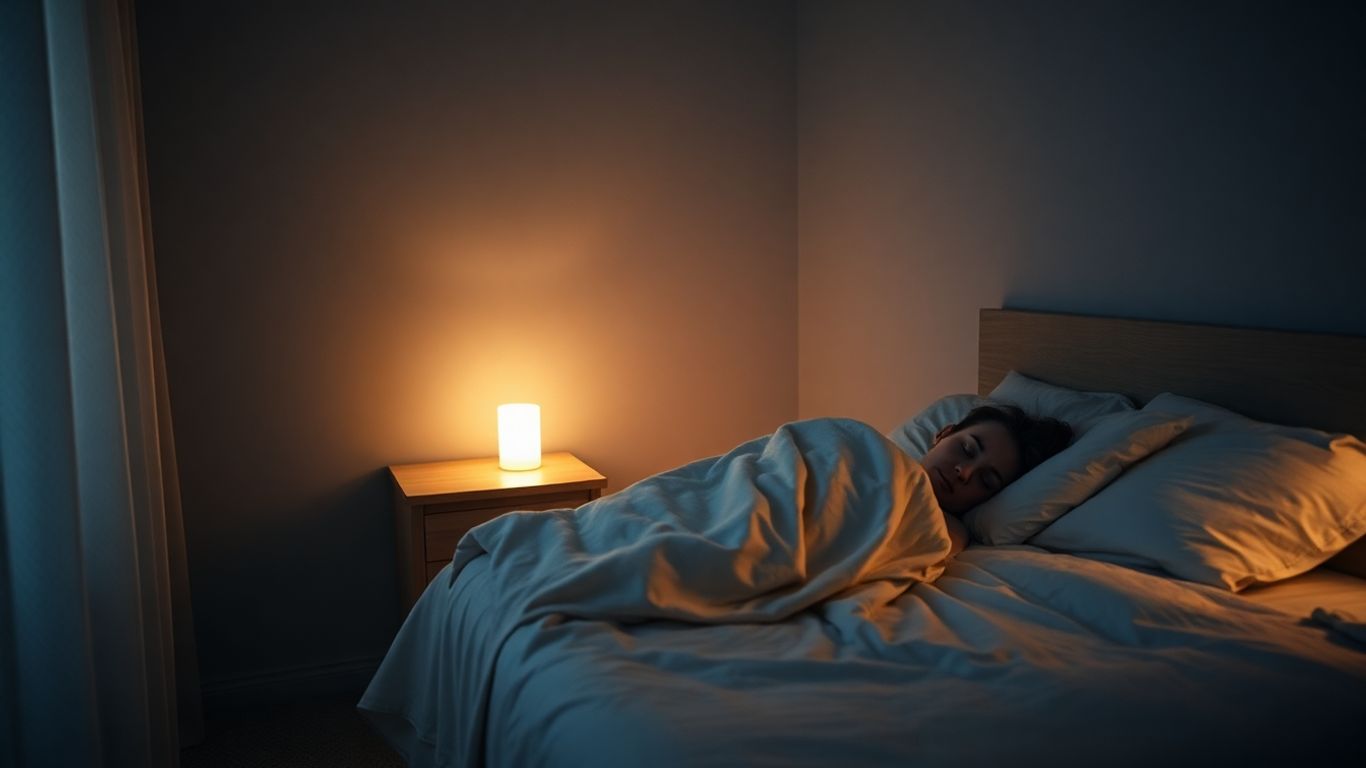 When we find ourselves without a place to call home, the immediate priority shifts to finding a safe spot to rest. This isn't just about avoiding the elements; it's about reclaiming a sense of personal security. For those sleeping rough, this means being constantly aware of surroundings, choosing locations that offer some degree of privacy and protection, and having a plan for immediate threats. Trusting our instincts becomes a vital survival tool. Keeping basic safety items handy, like a small torch or a whistle, can make a difference in feeling more secure. If a situation feels dangerous, knowing when to seek help is paramount.
Finding resources can feel overwhelming, but there are avenues to explore. Dialling 211, for instance, can connect us to local shelters and support services. For those without immediate access to a phone, libraries often provide internet access to find similar help online. Organisations dedicated to assisting those experiencing homelessness also offer guidance and can point us towards temporary solutions like motel vouchers or safe parking areas. These initial steps are about securing a basic level of safety.
Prioritising Personal Safety In Unsheltered Situations
When we're unsheltered, personal safety takes on a whole new meaning. It's about making conscious choices to minimise risk:
- Location, Location, Location: Choosing where to sleep is critical. We look for spots that offer some cover, are away from busy roads, and feel less exposed. It's about finding a balance between being hidden and being able to see who's around.
- Awareness is Key: Staying alert to our surroundings is non-negotiable. This means being mindful of noise, movement, and anyone who seems out of place.
- Having an Exit Strategy: It's always wise to have a quick way to leave if needed. Knowing the escape routes from a chosen spot can provide peace of mind.
- Buddy System: If possible, staying with others can offer a shared sense of security and mutual watchfulness.
The feeling of being unsafe can be constant, making it hard to relax even for a moment. Simple grounding techniques, like focusing on our breathing or noticing the sounds around us, can help create a small pocket of calm in a stressful situation. These aren't grand gestures, but small, personal acts that help us stay present and manage immediate anxiety.
The Role Of Transitional Housing In Building Confidence
Moving from the uncertainty of the streets into transitional housing marks a significant shift. It's more than just a roof over our heads; it's a structured environment that begins to rebuild our sense of self-worth and capability. These programmes often provide not only a safe place to sleep but also access to support services that help us address underlying issues, whether that's finding work, managing health, or simply learning to live with a routine again. This stability allows us to start thinking beyond immediate survival and planning for the future. The support networks found in these settings, connecting with others who understand and with staff who guide us, are invaluable. It's here that we can begin to regain confidence, knowing that we have a secure base from which to take the next steps towards independence. Organisations like the Coalition for the Homeless work to provide these stepping stones.
- Structured Support: Transitional housing offers a framework that helps us re-establish routines and responsibilities.
- Access to Resources: We gain access to services like job training, counselling, and healthcare, which are often out of reach when unsheltered.
- Community Building: Living alongside others in similar situations can create a powerful sense of community and shared progress.
- Developing Independence: The goal is to equip us with the skills and confidence needed for long-term housing solutions.
Transforming Health Through Secure Sleeping Environments
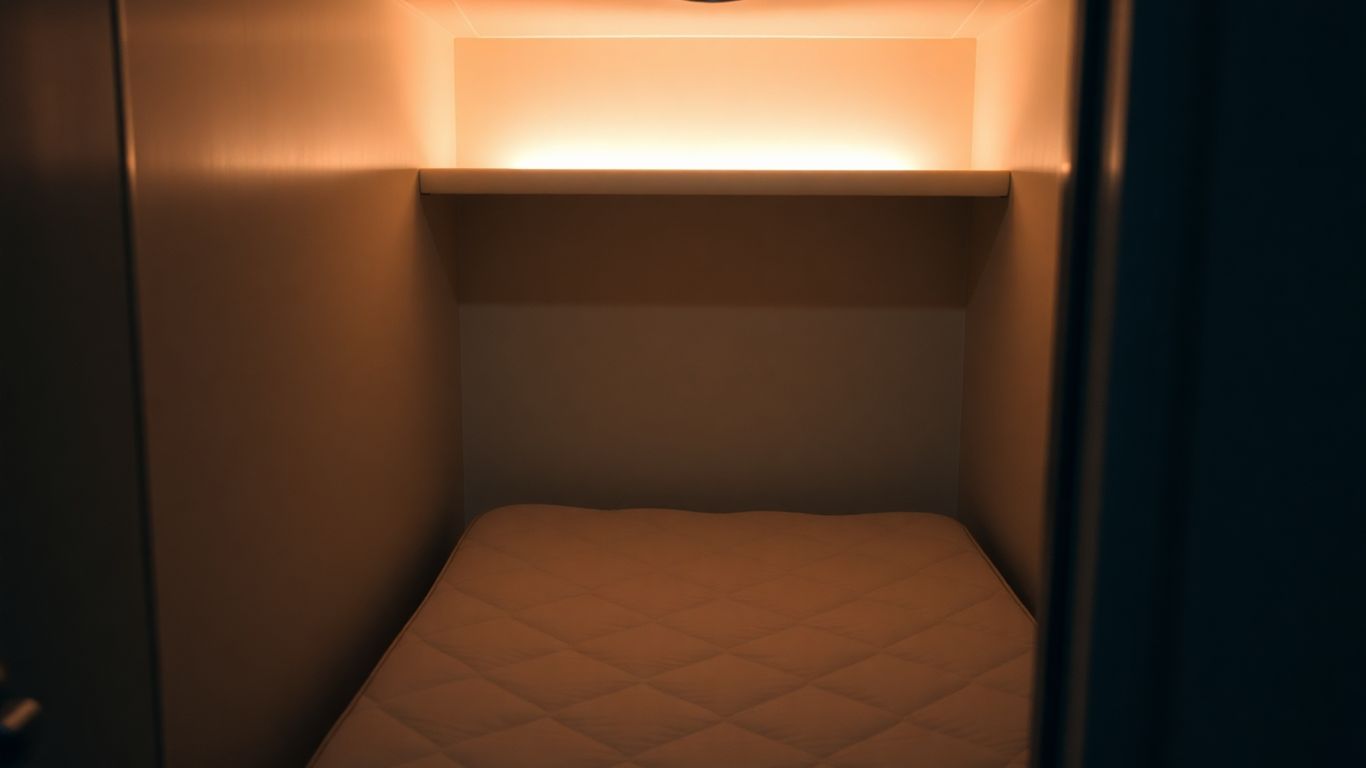 When we don't have a safe place to sleep, it's incredibly hard to think about anything else, let alone our health. Being constantly exposed to the elements and the general insecurity of sleeping rough takes a massive toll, both physically and mentally. It's a cycle that's difficult to break.
Secure sleeping environments, like those found in transitional housing or even a private room in a hostel, offer a chance to finally rest. This stability allows us to begin addressing other issues. A consistent, safe place to sleep is the bedrock upon which we can start rebuilding our lives. It means we're not constantly on edge, worrying about our belongings or our personal safety. This reduction in stress is not just a comfort; it's a vital step towards improving our mental wellbeing.
When we have a secure place to rest, we can start to focus on our physical health too. This might involve:
- Getting more consistent sleep, which is crucial for recovery.
- Having a private space to manage personal hygiene.
- Being in a location where we can more easily access healthcare services.
The privacy and stability of having a room, even temporarily, can make a significant difference in how we feel and what we can achieve. It's not just about having a roof over our heads; it's about having a space that allows for rest and reduces the constant anxiety that comes with being unsheltered.
Addressing these basic needs is what allows for holistic recovery. It’s about more than just a bed; it’s about creating an environment where we can begin to heal and plan for a more stable future. Finding temporary accommodation is often the first tangible step in this process, providing the security needed to tackle other challenges.
Moving Forward
We've talked a lot about the immediate steps needed when someone finds themselves without a home, and how important it is to find a safe place to rest. It's not just about getting through the night; it's about creating a starting point. From that basic security, people can then begin to tackle other challenges, whether that's finding work, sorting out health issues, or just getting back on their feet. We all deserve a stable place to sleep, and it really is the first, most vital step towards rebuilding a life.
Frequently Asked Questions
What's the most important thing to do first when we don't have a safe place to sleep?
The absolute first step we should all take is to make sure we're safe. This means finding a spot that's well-lit and visible, rather than somewhere hidden. If we're alone, it's a good idea to let someone we trust know where we'll be. Having things like a torch or a loud whistle can also help us feel more secure. If we ever feel like we're in danger, we shouldn't hesitate to call for help straight away.
How can we find places to stay if we're homeless?
There are resources to help us find a place to sleep. We can call 211, which is a free number that connects us to local shelters and support services. If we don't have a phone, we can use the internet at a library to visit 211.org. Organisations like the Department of Housing and Urban Development also offer help. It's worth asking about motel vouchers or safe parking spots if immediate shelter isn't available.
What is transitional housing and how does it help us?
Transitional housing offers us a temporary, safe place to stay while we get back on our feet. It's more than just a bed; it usually comes with support services, like help with finding a job, managing money, and getting medical or mental health care. This kind of housing gives us a stable base, which makes it much easier to focus on our recovery and build confidence for the future.