Key Takeaways
Implementing the right strategies to end homelessness requires a shift in how we view housing and support services. The following points summarize the essential elements of this transition:
- Housing is a fundamental right that serves as the foundation for recovery.
- Traditional models often focus on readiness, while Housing First prioritizes immediate stability.
- Success depends on separating housing provision from clinical or social support.
- Effective implementation requires long-term, stable funding combined with collaborative cross-sector efforts.
- Choice-driven support is critical for fostering long-term independence and social integration.
What is the housing first approach?
We recognize the importance of shifting our perspective toward approaches that truly work for marginalized individuals. Understanding the fundamental nature of this philosophy allows us to better address the needs of those experiencing chronic homelessness. By centring on the individual, we provide a stable, long-term solution that moves away from temporary interventions.
Defining the philosophy
The philosophy centres on the idea that having a safe, permanent home is the primary requirement for recovery and personal development. Rather than viewing housing as a reward for changing behaviours or demonstrating readiness, this framework housing as a right ensures that individuals receive support exactly where they live, removing the pressure of jumping through hoops to prove their stability.
Origins and international development
This concept gained traction in the 1990s as a recovery-oriented solution to homelessness for people with multiple and complex needs. Since its inception in the United States, it has been adapted internationally, demonstrating that providing an independent home first allows for more nuanced and effective support that addresses systemic barriers instead of merely treating symptoms.
Core, non-negotiable principles
At its heart, the model relies on a specific set of principles that hold it to high standards. Services that prioritize the tenant’s choice, commitment to recovery, and separation of housing from auxiliary care often see better outcomes. Maintaining high fidelity to these core tenets ensures that every initiative remains focused on the individual’s long-term wellbeing rather than procedural compliance.
How the housing first approach UK model differs from traditional methods
 We must contrast these new strategies with older, more restrictive ways of managing homelessness. While traditional methods rely on the hope that someone will eventually meet certain criteria for housing, this model flips the script entirely. It recognizes that true change is incredibly difficult when one is navigating the instability of temporary living environments.
Moving away from the 'staircase' model
Traditionally, the staircase model required individuals to prove their ability to live independently by moving through stages of temporary hostels and supported accommodation. We see that this often leads to a cycle of failure. Instead, the Housing First England model advocates for direct entry into permanent housing, acknowledging that security itself acts as the catalyst for growth.
Prioritising unconditional housing
Unlike traditional pathways, we provide housing with no pre-tenancy conditions or immediate demands for behavioural changes. When someone is handed keys to a home, they are offered a sense of dignity that is missing from clinical or rigid hostel settings. Providing unconditionally stable housing allows the individual to focus on managing their health, addiction, or social standing without the constant fear of eviction.
Eliminating pre-tenancy requirements
We emphasize the removal of administrative gatekeeping that prevents access to permanent homes. By eliminating requirements such as drug-free mandates or participation in specific therapy programs before qualifying, we open doors for the most vulnerable. This shift marks a significant move toward treating each individual with the respect they deserve while they rebuild their lives.
The evidence base and effectiveness of the model
We place high value on evidence-based practices that demonstrate clear improvements for participants. Data gathered from various initiatives shows that providing secure, permanent housing is not just ethically sound, but also practically effective at maintaining stability for those with complex needs. Our analysis suggests that these outcomes are mirrored in various regions looking to end long-term rough sleeping.
Improving housing retention rates
Retention rates remain high precisely because the housing is permanent and unconditional. Once an individual settles into a secure space, the need to cycle through temporary, often unsafe, environments disappears, leading to significant stability. Statistics from various pilot programs show that individuals are far more likely to retain their tenancy when they are given the autonomy to live independently from the start.
Impact on health and wellbeing outcomes
Support services wrapped around the home address specific challenges such as mental health needs, addiction, or criminal justice involvement. As residents become more comfortable, they engage more frequently with healthcare providers.
The transition to stable, independent housing creates a safe platform for individuals to address the deeper, often long-standing, health challenges they have faced while homeless.
This therapeutic environment allows for more authentic progress in mental and physical wellness that traditional, rotating support systems often struggle to cultivate.
Financial efficiency and public service savings
While the upfront costs of providing housing can be higher than managing temporary shelters, the long-term savings are often substantial. By reducing the frequency of contact with high-cost emergency services, police, and A&E wards, public funds are managed more effectively. These savings confirm that investing in a stable home is not only a moral choice but a financially prudent one for the state.
Key principles for effective implementation in the UK
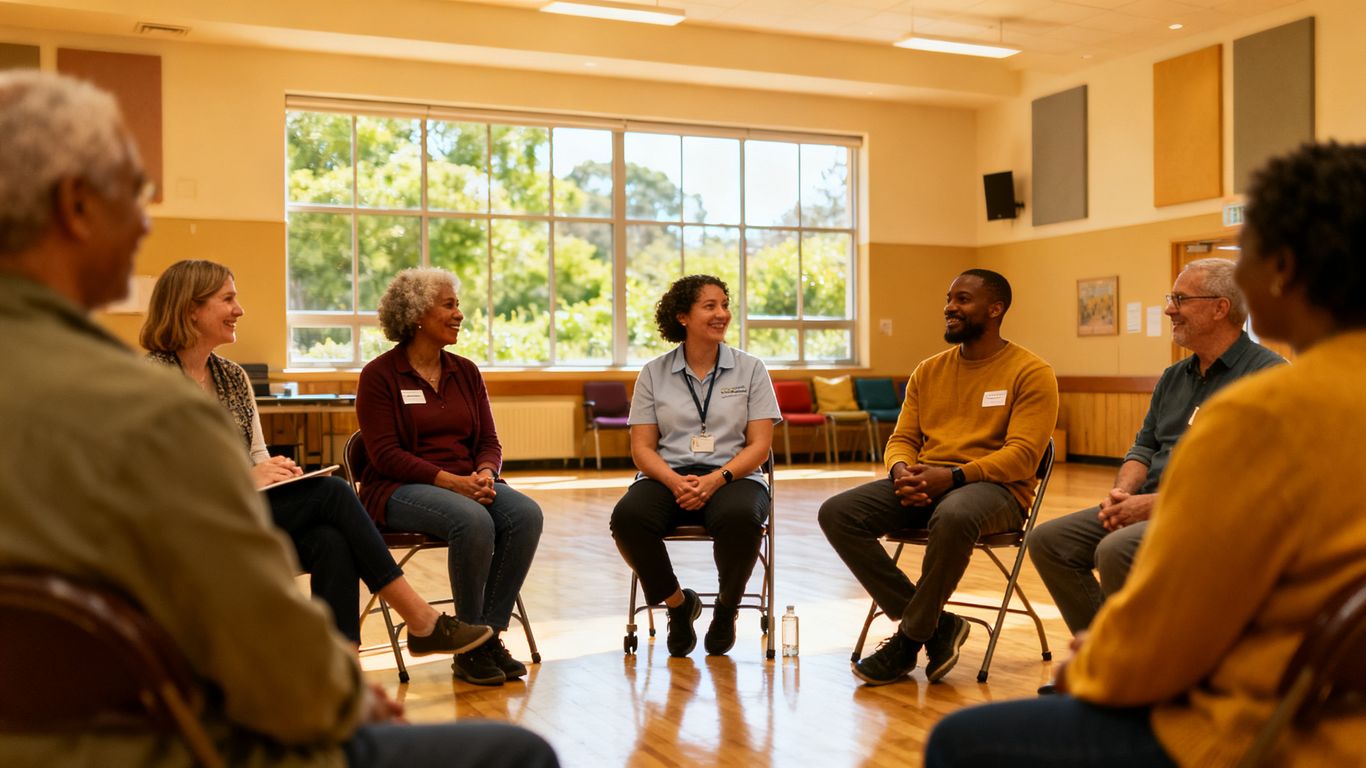 Implementing this model requires careful coordination between partners to ensure it succeeds at the local level. We need to foster an environment where housing providers and support teams work in tandem, rather than in silos, to build a sustainable support network. It is the integration of these services that makes the difference between a pilot project and a sustainable, long-term solution.
Separation of housing and support services
One of the most important aspects we champion is the functional separation of housing management from personal support. This ensures that the individual’s tenancy is not jeopardized by their progress—or lack thereof—in support programs. Keeping these roles distinct allows the support worker to act as an advocate rather than a landlord, which fosters deeper trust.
Person-centred, choice-driven approaches
Success is defined by the individual, not by a universal metric of success. We utilize methods that focus on:
- Empowering tenants to express their unique housing preferences.
- Encouraging active participation in selecting their own support goals.
- Providing flexible, mobile care teams available at the pace the resident sets.
- Maintaining long-term engagement that follows the person, not the property.
By ensuring that every participant has a real say in their life, we see higher levels of social inclusion and personal motivation.
Commitment to recovery and social integration
Recovery looks different for everyone, so we support the individual in achieving their own version of a healthy life. By connecting residents to local social activities and employment opportunities, we ensure that they do not just have a roof over their heads but also a place within their community. This social integration is a critical piece of the puzzle for long-term health.
Challenges and barriers to scaling the model
Despite the clear evidence, we still face significant hurdles in bringing this model to every part of the country. Expanding these services requires more than just goodwill; it demands systemic changes in how we perceive and secure housing. We continue to advocate for stronger policy support to overcome these persistent difficulties.
Availability of affordable housing supply
The most pressing barrier is the lack of accessible, affordable housing. In many urban environments, the demand for social housing far exceeds the supply, which makes it challenging to source immediate accommodation. We must continue to push for Housing First initiatives that prioritize the development of housing stock specifically intended for these purposes.
Securing stable, long-term funding streams
Pilot schemes often struggle when initial grants come to an end. We need to shift toward sustainable, long-term funding models that allow providers to plan for years rather than months. Fluctuating financial support creates uncertainty for both the staff and the individuals receiving care, which must be addressed through a consistent national funding approach.
Integrating diverse support networks
Managing care for individuals with complex needs often involves working with various health, social, and legal agencies. Integrating these diverse networks requires high levels of communication and a willingness to break down departmental boundaries. When we coordinate successfully, the individual benefits from a seamless, wraparound service that doesn't repeat information or create conflicting requirements.
Managing local political and community perceptions
We often encounter scepticism from local communities that may fear the impact of new housing projects. Education is essential in changing these perceptions. By showing that this model creates stable neighbourhoods and reduces street-level problems, we can work more effectively with local governments to gain the support necessary for expansion.
The future of homelessness support in the UK
It is time to look forward and consider how we evolve our response to one of the most pressing social issues of our time. This cornerstone solution has proven its worth, and now our responsibility lies in making it a standard part of our national infrastructure. We envision a future where secure housing is the starting point for every individual in need.
Alignment with government policy and legislation
Future success relies on integrating these practices into our broader legislative framework. We see a path where government policies fully support the separation of housing and care, ensuring that agencies have the legal mandate to prioritize long-term stability. This alignment will provide the necessary structure for scaling services nationwide.
Collaborative efforts between sectors
Ending homelessness cannot be done by one organization. We look to bridge the gap between healthcare, housing, and social services providers to create a holistic network. By fostering collaboration, we can ensure that every person enters a support loop that is responsive, compassionate, and robustly funded, rather than isolated.
Scaling from pilot schemes to national standards
Moving from local pilot schemes to a national standard is our primary objective. While pilots provide the necessary data and best practices, only a national commitment can make housing security the norm for all. We remain dedicated to promoting the evidence that shows every resident deserves a stable place to call home.
Conclusion
Ultimately, the shift toward this model is about valuing human dignity and recognizing that a stable life begins with a front door of one's own, supported by compassionate and persistent care that trusts the individual to build their own future.
Frequently Asked Questions
What makes this model different from traditional shelters?
Unlike shelters that require residents to maintain sobriety or pass specific milestones before moving into housing, this model provides an immediate, independent home, which then acts as a base for ongoing support.
Is the housing provided temporary or permanent?
This approach emphasizes permanent housing as a primary goal, ensuring individuals do not have to cycle through multiple temporary stays while preparing for independence.
Does the participant have to stay sober to receive housing?
No, there are no conditions regarding substance use or sobriety for initial or continued housing in the core model, as recovery is treated as an individual, long-term journey that is supported, not demanded.
Who pays for the support services provided?
Support is typically funded through a combination of national government grants, local authority budgets, and collaborative support from health and social service departments, though long-term funding stability remains a focus of ongoing policy debate.
Can anyone qualify for this program?
While the model is designed to support individuals with multiple and complex needs who have experienced chronic homelessness, eligibility criteria can vary by local project implementation.
What happens if the individual has a relapse or difficulty in the home?
Support teams remain engaged to provide intensive, person-centered help to resolve challenges, keeping the emphasis on stability rather than immediate eviction or loss of housing.
How does this model address the root causes of homelessness?
While it addresses the immediate need for a home, the model also connects participants to essential health and social integration services that help mitigate the underlying issues leading to housing instability.