Key Takeaways
Supporting staff effectively requires a deep understanding of their unique operational environment and consistent management practices. This guide outlines how to ensure safety for those working in accommodation settings.
- Establish clear definitions of lone working to set expectations.
- Identify environmental risks and adjust safety protocols accordingly.
- Implement reliable communication tools like those provided by Safepoint.
- Foster a culture of open communication and peer support among teams.
- Prioritize psychological wellbeing to mitigate the effects of vicarious trauma.
Defining lone working within hostel environments
When we operate in residential support services, it is critical to understand the boundaries of what constitutes solitary presence. Understanding these roles helps us build systems that truly protect our colleagues rather than just ticking administrative boxes.
What constitutes a lone worker in social housing
A lone worker is any staff member who operates outside of the immediate supervision or physical presence of colleagues for a portion of their shift. This frequently occurs during night shifts or in settings where staff manage building security without direct assistance. Understanding these roles is foundational when exploring professional lone working homeless hostel training.
Legal obligations for employers and employees
Employers have a fundamental responsibility to ensure the health and safety of their staff, regardless of where they are working. This duty includes conducting thorough risk assessments and providing adequate training for situations where someone might be isolated. Employees share this responsibility by following the established safety policies and reporting potential incidents as soon as they occur.
Scenarios where lone working is common in night shelters
Night shelters often require skeleton crews during graveyard shifts to maintain basic operations and safety for residents. While a teammate might be "on call" in another part of the building, the actual tasks of monitoring entrances or responding to disturbances are frequently handled alone. These periods are when risks of physical and social isolation become most acute for frontline teams.
Assessing the unique safety risks
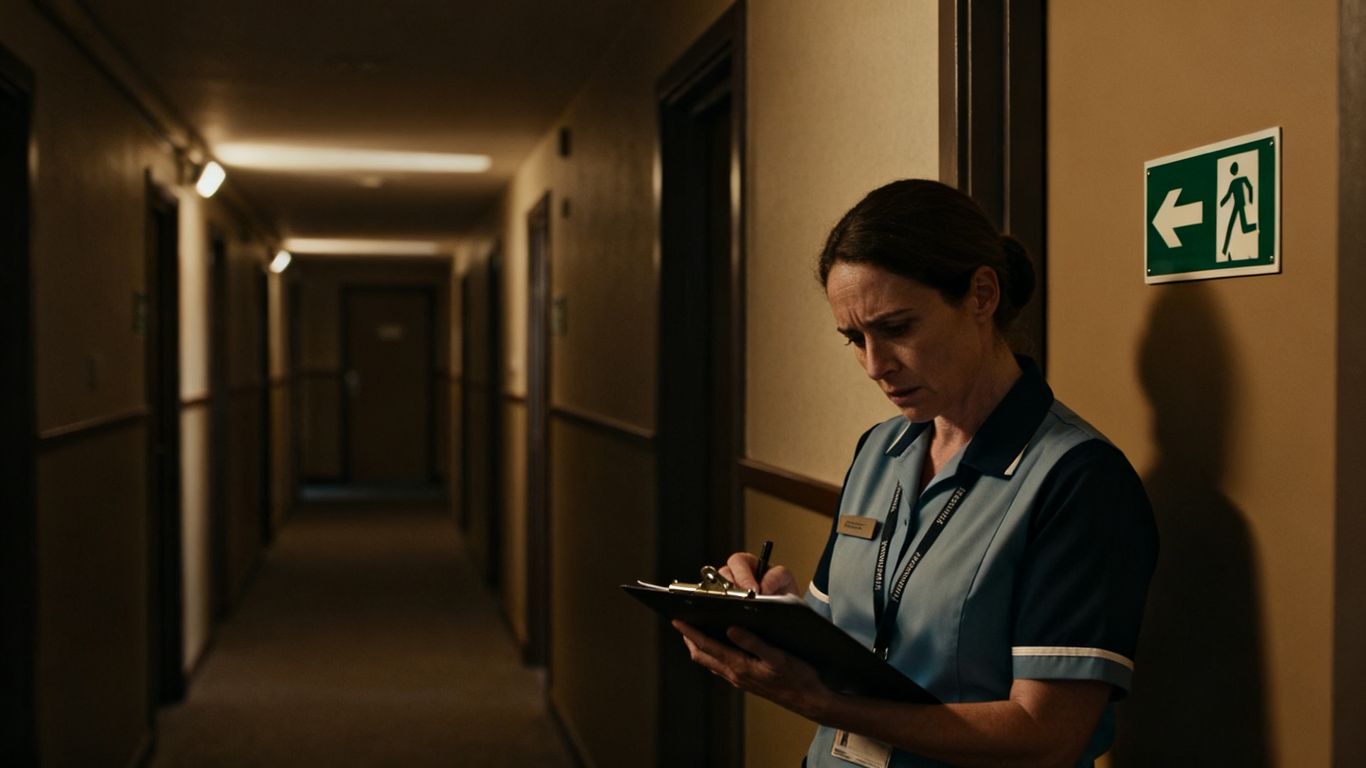 Navigating a quiet facility during the early hours presents a different set of challenges compared to a bustling daytime environment. We must consistently evaluate our surroundings to ensure that potential dangers remain visible and manageable.
Challenging client behaviours and potential volatility
Working with individuals who are experiencing significant personal crises can sometimes lead to unpredictable outbursts or aggressive behavior. It is important to remember that these actions are often a reflection of the resident's own distress rather than a personal attack, yet they still present a genuine physical risk to our staff. Training like that provided by dedicated experts can help teams navigate these interactions effectively.
Physical environmental hazards within hostel facilities
Facilities often have aging infrastructure or restricted access areas that are difficult to monitor visually. Poorly lit corridors or heavy, manual fire doors can quickly turn into serious physical safety hazards during a late-night incident. We recommend walking the floor during each shift to identify changes in the building layout or equipment status.
The impact of isolation on emergency response times
When help is not physically within earshot, the time it takes to summon support becomes a critical safety variable. Physical, geographic, and electronic barriers can delay notification, which is why Safepoint provides essential solutions to bridge the gap during emergencies. Speed of communication is the most effective tool we have when escalating a concern.
Strategies for effective personal safety
Maintaining a safe workplace requires more than just good intentions; it demands rigorous procedures that everyone understands and follows. We have seen that the most protected teams are the ones who proactively manage their security rather than reacting after a crisis has started.
Implementing robust check-in and communication protocols
Consistent check-in schedules provide both a safety net and a sense of connection for staff members working apart from their team. If a scheduled check-in is missed, the resulting protocol must be swift and decisive to ensure the lone worker is safe. This structured approach helps transform isolation into a managed operational state.
Utilising lone worker alarms and GPS tracking technology
Modern hardware and software are essential components of a proactive safety strategy. These devices offer a direct line to support without requiring a physical presence or voice input, which is vital during intense situations. Relying on verified and reliable platforms ensures that alerts are received accurately and responded to without delay.
Creating clear zones of safety and verified escape routes
Every worker should know exactly where they can go to decompress or regroup if a situation escalates beyond their control. We encourage teams to think of their workspace in terms of accessible zones:
A safety zone is not just a room with a lock; it is a space where a staff member knows they can safely communicate with external services while maintaining a secure perimeter between themselves and an aggressor.
By clearly marking these spaces, we reduce the cognitive load on staff during moments of high stress, allowing them to focus on de-escalation rather than decision-making.
Developing frontline de-escalation skills
 De-escalation is a practiced art form, requiring patience and the ability to read nuanced emotional cues from those we serve. It is a vital frontline skill that serves to protect both the worker and the resident.
Recognising early signs of distress in residents
Learning to read the room gives us the advantage of preventing a crisis before it even begins. Signs of agitation such as pacing, raised voices, or an atypical focus on specific grievances are often indicators of underlying trauma. Through initiatives like The Salvation Army efforts, we see how staff can learn to provide supportive, proactive care.
Applying active listening and verbal de-escalation techniques
Active listening involves demonstrating that we hear and understand the resident's frustration without necessarily agreeing with their requests. By keeping our tone calm and our body language open, we can often lower the intensity of a conflict naturally. Remember to keep the narrative focused on finding a shared solution rather than pointing out rules or limitations.
Knowing when to withdraw and trigger formal support processes
There is no shame in acknowledging when a situation has moved beyond our capacity to influence or manage safely. Knowing our personal limits is a mark of professional maturity and prevents unnecessary escalation. When the environment feels compromised, prioritize leaving the space and activating your pre-determined support or security protocols immediately.
Preparing for the psychological challenges
Working in these roles can take a silent toll on our mental health if left unaddressed. It is our responsibility to advocate for a culture where emotional support is viewed as a standard operational necessity rather than a favor.
Managing stress and loneliness during solitary shifts
Loneliness is a real occupational hazard that can lead to burnout over time. We urge teams to schedule virtual or brief check-ins that allow for social interaction, helping colleagues feel connected to the broader mission. Small, intentional moments of connection can make a significant difference during a long, isolated shift.
Understanding and mitigating vicarious trauma
Listening to the stories of those in crisis day after day can eventually leave a residue on our own psyche. Organizations must foster an environment where talking about the trauma witnessed is not stigmatized but encouraged. Recognizing these feelings early allows us to seek support before they manifest as chronic fatigue or apathy.
Accessing consistent supervision and professional debriefs
After-action reviews are critical tools for continuous improvement and personal recovery. A formal debrief allows us to process an event objectively, document successes, and address what could have been handled better next time. This level of supervision reinforces that no one is expected to carry the emotional burden of their work alone.
Best practices for ongoing organisational support
Safety is a shared culture that flows top-down, from the leadership to the floor. When policies are clearly communicated and consistently applied, the entire organization benefits from a more secure working environment.
Conducting dynamic risk assessments before every shift
Assessing risk should be a living, breathing activity that adapts to the specific conditions of each evening. Factors like staff composition, known resident issues, and even building maintenance needs can shift overnight. Requiring a brief risk review at the start of every shift ensures that precautions are based on the reality of the present moment.
Maintaining accurate and confidential incident reporting logs
Data is a powerful tool for recognizing patterns that might otherwise go unnoticed. Keeping detailed logs of even minor concerns allows management to identify when a specific policy needs adjusting or when additional support is required. These reports must be treated with strict confidentiality to ensure staff feel safe sharing their true experiences.
Fostering a culture of safety-first communication and peer support
Building a team where members look out for one another is the most effective safety barrier we can implement. We want to encourage staff to raise concerns without fear of reprisal, promoting a sense of collective accountability. When every member of the team takes ownership of the collective safety, the environment becomes inherently more supportive for all.
Conclusion
Addressing the risks inherent in providing accommodation services is a continuous journey that requires both individual vigilance and organizational commitment. By integrating consistent training, reliable communication tools, and a culture of emotional openness, we can build a stronger, safer future for our frontline colleagues and the vulnerable communities they support.
Frequently Asked Questions
What are the main signs that a homeless hostel environment is becoming unsafe?
Increased agitation among residents, high staff turnover, failure to follow check-in protocols, and a breakdown in clear building maintenance are common indicators that the environment needs a structured safety review.
How can a manager improve the safety of lone workers at night?
Managers should invest in reliable communication tech, ensure regular check-ins, provide consistent training for high-stress scenarios, and maintain an environment where staff can discuss difficult experiences without fear.
Can technology completely replace the need for physical backup?
Technology is a vital tool for alerts and communication, but it should be seen as a supplement to, rather than a replacement for, competent human response and a well-thought-out safety strategy.
What should be included in a physical risk assessment for a hostel?
Assessments should cover lighting levels throughout the building, access points, the functionality of emergency alarms, the condition of locks, and the presence of any physical barriers that could block an escape route.
How often should lone worker risk assessments be updated?
Assessments should be dynamic and reviewed formally on a quarterly basis, but updated immediately following any significant incident or whenever a change in the facility or staffing structure occurs.
Is feeling isolated during a night shift common?
It is very common for staff to feel isolated, but this feeling must be proactively managed through peer contact and supportive leadership to prevent the development of long-term stress or burnout.
What is vicarious trauma in the context of hostel work?
Vicarious trauma happens when staff members begin to experience negative psychological effects due to their continuous exposure to the suffering and traumatic histories of long-term residents.