Supporting Vulnerable People During Harsh Weather Conditions

When the weather turns nasty, especially in winter, some folks can really struggle. We've been looking at ways to help vulnerable people get through the cold snaps. It's all about being prepared and reaching out, making sure no one is left out in the cold. This article talks about some smart ideas we've seen for helping vulnerable communities in winter.
Key Takeaways
- We can use places of worship and religious groups to help spread the word and support people during bad weather. They often know the local community well.
- Knowing who needs help and where they are is important. Working with local groups makes our efforts stronger.
- Getting important supplies and information to people before and during bad weather is a big help. Setting up places where people can get out of the heat or cold is also a good idea.
Innovative Outreach For Helping Vulnerable Communities In Winter
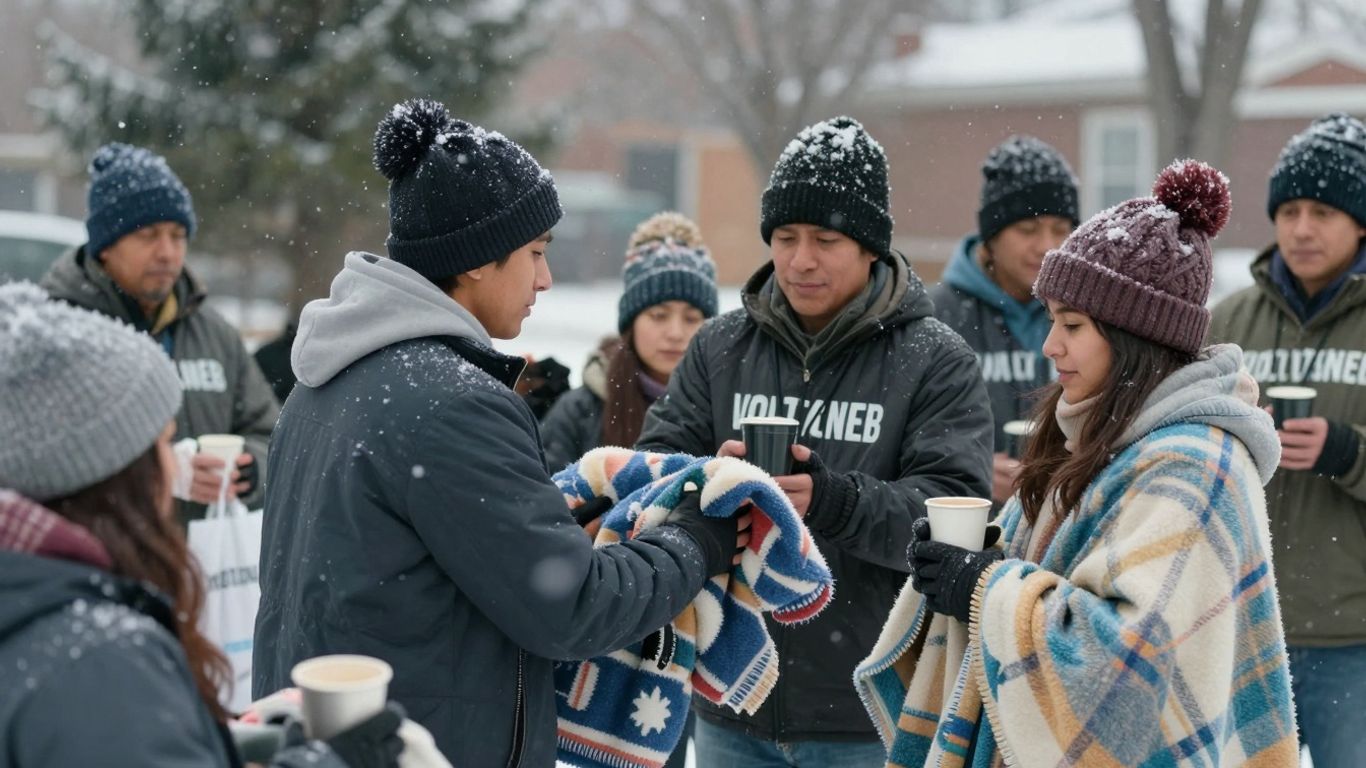 When the weather turns nasty, we often think about our own homes and how to stay warm. But what about those in our communities who might not have that luxury? We've been looking at new ways to reach out and support people who are particularly at risk during cold snaps and other harsh weather. It’s about being smart and using the networks we already have.
Leveraging Faith-Based Networks For Community Resilience
We've found that local faith groups are often at the heart of their communities. They have established connections and trust, making them ideal partners for getting help to where it's needed most. Think about it: many of us already turn to our places of worship for support, so extending this to emergency preparedness makes a lot of sense. We've seen projects where faith leaders are trained in emergency response and then share that knowledge with their congregations. This means information about warming centres, how to get help with heating, or even just checking on neighbours can spread quickly and effectively.
- Training volunteers from diverse religious backgrounds.
- Developing communication channels through existing community hubs.
- Mapping local needs and resources to tailor support.
This approach helps build resilience from the ground up, making sure that no one is left out when the temperature plummets.
Mapping Vulnerabilities And Strengthening Local Partnerships
To really help, we need to know who needs help and where they are. That's where mapping comes in. By looking at things like census data and local knowledge, we can identify areas and groups that are more vulnerable to extreme weather. This isn't just about numbers; it's about understanding the specific challenges people face, whether it's lack of adequate heating, mobility issues, or isolation. Once we have a clearer picture, we can work more closely with local organisations – not just faith groups, but charities, community centres, and even local businesses. Building these strong partnerships means we can coordinate our efforts much better and ensure that our outreach is targeted and effective.
We've learned that a one-size-fits-all approach just doesn't work. Tailoring our support based on local conditions and the specific needs of different groups is key to making a real difference.
Proactive Strategies For Weather Event Preparedness
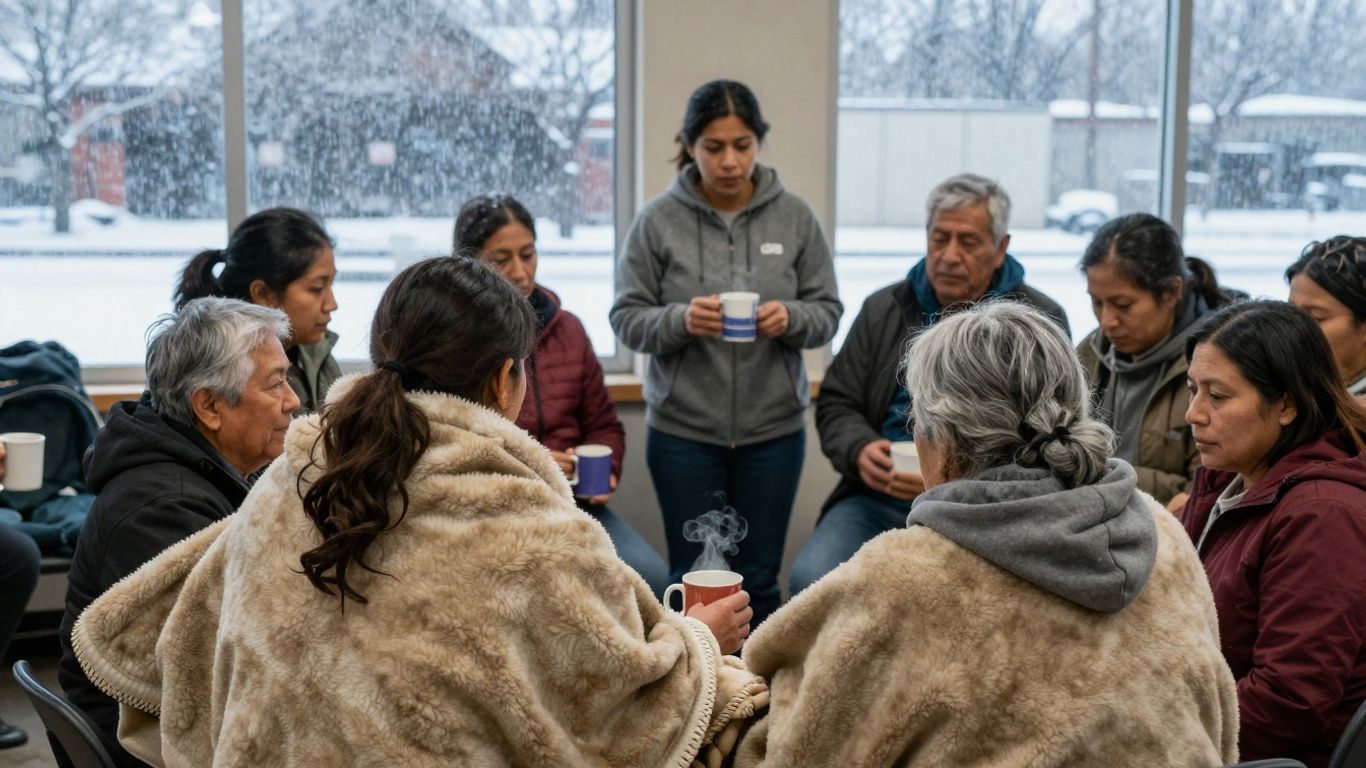 When the weather turns nasty, we need to be ready. It’s not just about reacting when things go wrong; it’s about getting ahead of the game. We’ve seen how quickly things can escalate, from icy roads that shut down transport to heatwaves that put lives at risk. So, how do we prepare ourselves and our communities better?
Distributing Essential Supplies And Information
One of the biggest challenges during extreme weather is making sure everyone, especially those most vulnerable, gets the help they need. This means getting the right supplies and information to the right people before a crisis hits. We’ve found that traditional methods, like just posting on social media, often miss a lot of folks. Think about an ice storm that knocks out power for days – not everyone has reliable internet access. We need to think smarter.
- Develop neighbourhood-level distribution networks: Work with local community groups, faith organisations, and even willing neighbours to create a system for checking in on people and delivering essentials like water, non-perishable food, and blankets.
- Create accessible information packs: These should be easy to understand, available in multiple languages, and cover topics like how to stay safe, where to find help, and what to do during different types of weather events. Think simple leaflets, not dense reports.
- Partner with local businesses: They can act as drop-off points for donations or even help distribute supplies. A local shop might be more accessible to some than a large community centre.
We need to move beyond just broadcasting information and actively place it where people can easily find and use it, especially when they might be cut off from usual communication channels.
Establishing Community Cooling And Hydration Hubs
When the summer sun beats down relentlessly, staying cool becomes a serious concern, particularly for those without access to air conditioning. We can’t just tell people to stay inside if they don’t have a cool place to go. Setting up dedicated spaces is a practical step we can take.
- Identify accessible locations: Think libraries, community centres, places of worship, or even shaded parks with water access. These places should be easy to get to for everyone.
- Equip them with essentials: Make sure these hubs have plenty of water, seating, and perhaps even some fans. Staffing them with volunteers or local authority personnel is also key.
- Promote widely and early: Let people know these places exist and when they will be open well before the heatwave peaks. Use local notice boards, community newsletters, and word-of-mouth.
We've seen how effective simple measures like handing out water bottles and providing cool spaces can be. It’s about creating a safety net that catches people when the weather becomes too much to handle on their own.
Looking Ahead: Building Stronger Communities
It's clear that when the weather turns nasty, some folks need a bit more help. We've seen how communities can step up, like in Brampton with their Lighthouse Project, using local groups to reach people who might otherwise be missed. It’s not just about handing out water bottles, though that’s important. It’s about building networks, sharing information simply, and making sure everyone knows they’re not alone when the temperatures soar or the cold bites hard. We need to keep finding new ways, big and small, to support each other because a connected community is a resilient one, no matter what the weather throws at us.
Frequently Asked Questions
How can we help people who might be struggling in bad weather?
We can reach out to those in our community who might find it tough when the weather gets rough. This means working with local groups, like places of worship, to make sure everyone knows where to get help. We also need to know who needs help the most and where they are, so we can get them the things they need, like water or a cool place to rest.
What kind of supplies do vulnerable people need during extreme weather?
During hot weather, people need ways to stay cool, like fans or places with air conditioning. We can also give out water and sun protection like hats and sunscreen. For cold weather, it's about keeping warm with blankets and warm clothes. It's also really important to share simple tips on how to stay safe, like drinking plenty of water or knowing where to go for help.
Why is it important to work with different groups to help others?
Working with different groups, especially places of worship, is a smart way to reach more people. They often know their local areas and the people in them really well. By teaming up, we can share information better and make sure that everyone, especially those who might be easily overlooked, gets the support they need when the weather is extreme.