Managing 2 AM Risks: Specialist Night Concierge Protocols for High-Support Homelessness Provision

Working in a homelessness provision, especially overnight, can present some unique challenges. The hours, often between 1 AM and 3 AM, can be a time when residents might need extra support or when situations could become tricky. This is where having a good Night Concierge Services for us really comes into play. It's not just about keeping the place secure; it's about being there for people who are going through a lot, often with complex needs. We're looking at how these services can make a real difference.
Key Takeaways
- Night concierges are vital for keeping residents safe and secure, especially during overnight hours. They are the first line of defence, watching out for any issues and stepping in when needed.
- Supporting residents with trauma or mental health struggles requires a specific approach. Night concierges need to be understanding and skilled in handling difficult moments, offering a calm presence and connecting people to help.
- Building good relationships with residents and working well with other support services, like healthcare providers, is a big part of a night concierge's job. This teamwork helps residents feel more supported and trust the help they receive.
Ensuring Safety Through Vigilant Night Concierge Services for Hostels
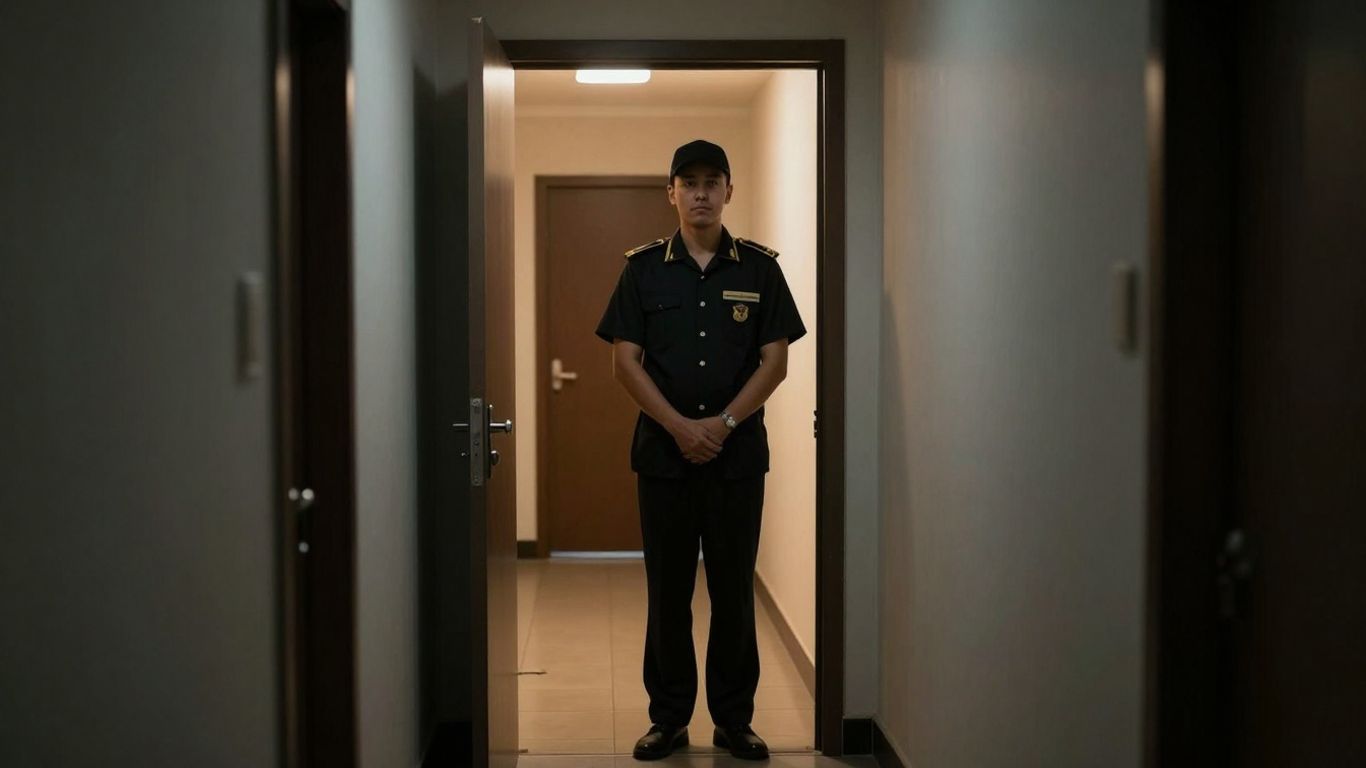 When you're running a hostel, especially one that supports people through really tough times, keeping everyone safe overnight is a massive deal. It's not just about locking doors; it's about having a presence that makes people feel secure and deters trouble before it starts. The night concierge is absolutely key here. They're the first point of contact if something goes wrong, but more importantly, they're there to prevent things from going wrong in the first place.
The Role of the Night Concierge in Safeguarding Residents
Think of the night concierge as the eyes and ears of the hostel after dark. Their main job is to look out for the residents. This means being aware of who's coming and going, making sure everyone is accounted for, and generally keeping an eye on the atmosphere. It's about being visible and approachable, so residents know they can turn to someone if they're feeling anxious or if they notice something isn't right. A good night concierge creates a sense of calm and order. They're not just security guards; they're part of the support network. They might be the ones who notice a resident is struggling, perhaps looking unwell or distressed, and can then alert the day staff or even call for medical help if needed. It’s a role that requires a lot of common sense and a genuine care for people. We've dealt with situations where a proactive concierge has spotted signs of potential issues, like drug use on the premises or unauthorised people hanging around, and dealt with it before it escalated. This kind of vigilance is what stops small problems from becoming big ones.
Proactive Security Measures for Overnight Support
Beyond just being present, the night concierge employs a range of proactive measures. This could involve regular patrols of the building and grounds, checking that all doors and windows are secure, and managing any noise disturbances that might upset other residents. Sometimes, it's about dealing with minor issues, like a resident who's accidentally locked themselves out, or mediating a small disagreement between residents. For hostels that might have a wider geographical spread or multiple buildings, services like roaming security or remote CCTV monitoring can be really useful. This means that even if there isn't someone physically present in every single location all night, there's still a watchful eye. It's a way to balance cost with safety, especially when budgets are tight. We've found that having a clear set of protocols for different scenarios really helps the team know what to do. This might include:
- Responding to alarms
- Dealing with intoxicated individuals
- Managing unexpected visitors
- Reporting maintenance issues
It’s about having a plan for the unexpected, so that when it happens, the team can react calmly and effectively, without causing undue alarm to the residents.
Ultimately, the goal is to create an environment where residents feel safe and respected, allowing them to focus on their recovery. It’s a challenging role, but a vital one for the smooth running of any hostel.
Addressing Complex Needs with Specialist Night Concierge Support
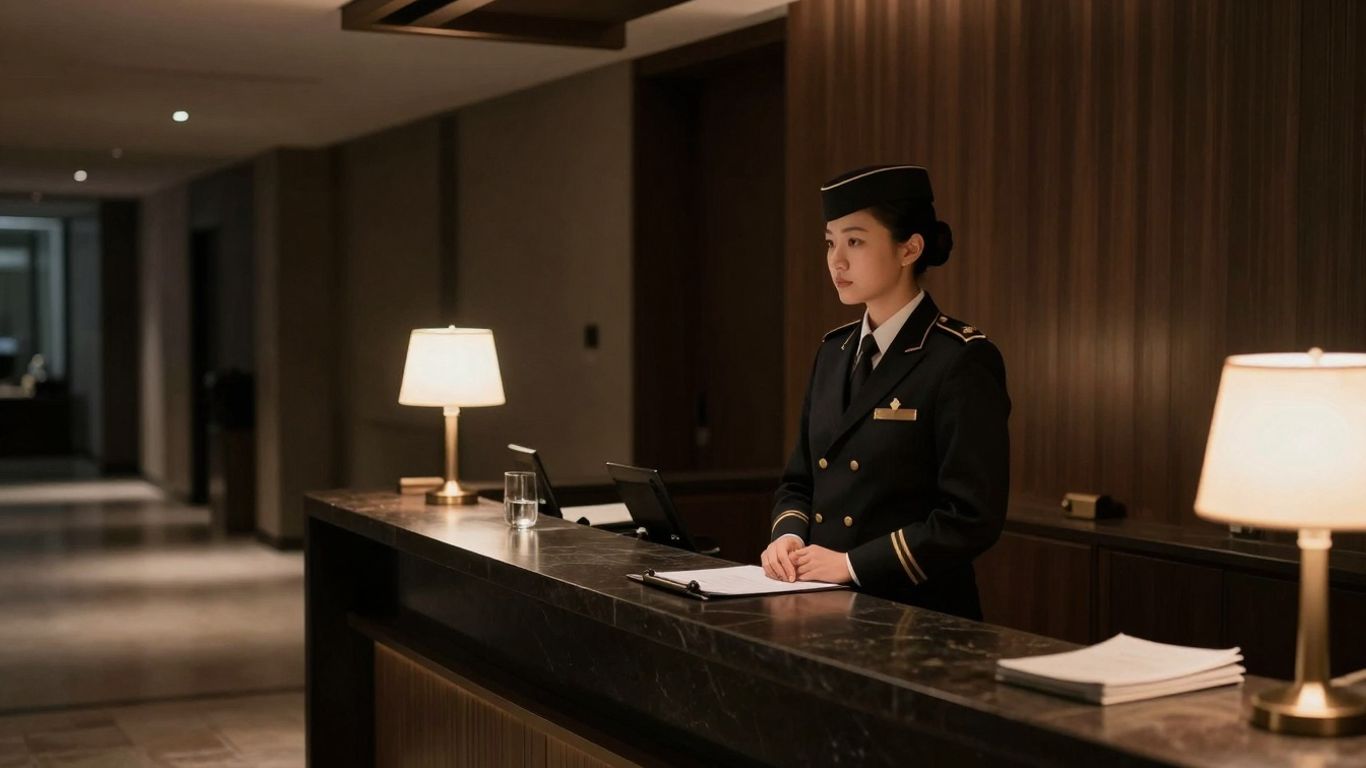 Supporting Residents with Trauma and Mental Health Challenges
Working overnight in a high-support hostel means you're often the main point of contact for people going through a really tough time. Many residents will have experienced trauma, and this can show up in all sorts of ways – anxiety, flashbacks, or just a general feeling of being on edge. It’s not always obvious, and sometimes it’s just a quiet struggle. Our job isn't to be therapists, but we do need to be aware and react in a way that doesn't make things worse. Being a calm presence can make a huge difference when someone is feeling overwhelmed. Sometimes, just a quiet word or offering a cup of tea is the most helpful thing you can do. It’s about acknowledging their distress without judgment.
We often find that mental health issues and substance use are really tangled up together. Someone might be self-medicating to cope with anxiety or depression, which then leads to other problems. It’s a cycle that’s hard to break. As a night concierge, you might be the first person to notice when someone’s mental state seems to be deteriorating, or when their substance use is becoming a concern again. You can’t fix it, but you can document it and pass that information on to the day team or relevant services. It’s about being the eyes and ears overnight.
Navigating Difficult Situations with Empathy and Expertise
There are times when things get tricky. A resident might become agitated, refuse to follow house rules, or even become aggressive. This is where having a bit of training and knowing how to de-escalate is so important. It’s not about being a bouncer; it’s about using your words and your body language to calm a situation down before it blows up. Sometimes, just giving someone space and letting them know you’re there if they need to talk can be enough. Other times, you might need to follow specific protocols, like involving other staff or, in rare cases, the emergency services.
One of the biggest frustrations we hear about is the difficulty in getting external health and social care services to respond. You can make a referral for a resident who clearly needs help – maybe they’re not washing, or their mental health is really suffering – and then… nothing. You don’t hear back, and you’re left feeling responsible. It can feel like you’re banging your head against a brick wall trying to get these services to engage. We’ve heard stories of staff having to get the police involved just to get a mental health team to visit someone in crisis, which really shouldn’t be happening.
It’s easy for people outside to think that because a hostel is staffed 24 hours, it means there’s always someone available to provide full care. That’s just not the reality. Our role is different, and we need external services to step up when residents have complex health or social care needs that go beyond what we can provide overnight.
Here’s a quick look at common issues and how we try to respond:
- Mental Health Crises: Remain calm, offer a safe space, document behaviour, contact day staff or emergency services if needed.
- Substance Use Relapse: Non-judgmental approach, offer support, connect to harm reduction resources, inform day team.
- Aggression/Agitation: Use de-escalation techniques, maintain personal safety, follow incident reporting procedures, seek assistance from colleagues if available.
- Self-Neglect: Observe and document, encourage basic hygiene, report concerns to the day team for assessment and intervention.
It’s a constant balancing act, trying to support residents while also keeping the environment safe for everyone. We’re not social workers or nurses, but we are the first line of defence and often the only support available during the night.
Building Trust and Collaboration: The Night Concierge's Impact
It might sound a bit odd, but a big part of being a night concierge in a high-support hostel is just being there. Not just physically, but really being there for the residents. When you're working through the night, you become a constant, a familiar face in what can be a really unsettling environment for people. This consistent presence is the bedrock of building trust. People who have experienced homelessness often have a tough time trusting services, and that's completely understandable given their past experiences. But when they see you day in, day out, or rather, night in, night out, showing up, listening without judgment, and just being a reliable point of contact, things start to shift.
Fostering Positive Relationships with Residents
It’s not about grand gestures, honestly. It’s the small things. It’s remembering someone’s name, asking about their day (even if it’s 3 AM), or just offering a warm drink when they seem down. Sometimes, it’s as simple as being a quiet presence in the communal area, letting people know they aren’t alone. We’ve found that having a chat about anything, from the weather to a shared interest in a football team, can really break down barriers. It shows you see them as people, not just as a case file.
Here’s a bit of what we’ve seen make a difference:
- Active Listening: Really hearing what people are saying, not just waiting for your turn to speak. Sometimes people just need to vent, and that’s okay.
- Respecting Boundaries: Knowing when to step in and when to give space. It’s a fine line, but important.
- Consistency: Being predictable and reliable. If you say you’ll do something, do it. If you’re going to be on shift, be there.
- Empathy: Trying to see things from their perspective, even when it’s difficult.
We’ve learned that a lot of residents have had negative experiences with authority figures or services in the past. This can make them wary of anyone in a uniform or a position of responsibility. Our approach is to be approachable, to be human first and foremost. It’s about showing genuine care and a willingness to help, which over time, can really change how people view support services.
Working Alongside External Health and Social Care Providers
Our role doesn't exist in a vacuum. We're often the first point of contact for residents, and that means we get to know them pretty well. This insight is incredibly useful for the wider support network. If we notice a resident is struggling more than usual, perhaps showing signs of a health issue or a dip in their mental wellbeing, we can flag it. We’re not doctors or therapists, but we can be the eyes and ears on the ground.
We try to keep communication lines open with the external teams. This might involve:
- Sharing Observations: Passing on relevant information about a resident’s behaviour or wellbeing to the appropriate support worker or healthcare professional.
- Facilitating Access: Helping residents connect with external services, whether that’s booking an appointment or just explaining how to access a particular support.
- Providing Context: Giving external providers a clearer picture of what’s happening overnight, which can help them tailor their support more effectively.
It’s a team effort, really. We’re all working towards the same goal: helping people get back on their feet. By working together and sharing information, we can make sure residents get the best possible support, both within the hostel and from the wider community services.
The night concierge is more than just a friendly face after dark. They're key to building a strong sense of community and making sure everyone feels safe and connected. By being a reliable point of contact, they help create a welcoming atmosphere for residents and visitors alike. Want to learn more about how our team can make a difference? Visit our website today!
Wrapping Up: What We've Learned
So, after looking into all this, it's pretty clear that having someone on hand during those quiet, late-night hours makes a real difference. It's not just about having a warm body there; it's about having someone trained to spot trouble, offer a bit of support, or just be a reassuring presence when things get tough. We've seen how technology can help, and how different approaches can save money, but at the end of the day, it’s the human element that really counts when people are at their most vulnerable. Making sure these night concierges are well-supported and understood by the wider system seems like the way forward for better care.
Frequently Asked Questions
What exactly does a night concierge do in a homeless shelter?
A night concierge is like a guardian for the shelter overnight. They make sure everyone is safe and sound, keeping an eye out for any trouble. They're there to help residents with any immediate needs, like if someone feels unwell or needs to talk. Think of them as the main point of contact for any issues that pop up after hours, ensuring a secure and calm environment for everyone staying there.
How do night concierges help residents who have been through tough times or have mental health issues?
Night concierges are trained to be understanding and supportive. They know that many residents have faced difficult experiences, like trauma or mental health struggles. Instead of just following strict rules, they try to listen and help in a way that respects what each person has gone through. This might mean offering a calm space, a listening ear, or helping residents connect with the right support services in a gentle and patient manner.
What happens if a difficult situation arises at night?
If a tricky situation happens, the night concierge is the first responder. They're trained to handle things calmly and professionally. This could involve talking to people involved to de-escalate tension, making sure everyone stays safe, or calling for extra help from medical teams or other support workers if needed. Their main goal is to sort things out safely and with as little disruption as possible for everyone at the shelter.