Isolation and Homelessness: The Silent Mental Health Crisis

We're looking at a really big problem in the UK right now: the link between being homeless and struggling with mental health. It's something that doesn't get enough attention, but it's affecting so many people. When someone loses their home, it's not just about not having a roof over their head; it often makes existing mental health issues much worse, and can even trigger new ones. This isolation homelessness UK connection is a serious issue we need to talk about more.
Key Takeaways
- Mental health problems can be a major reason why people become homeless in the first place. Things like severe depression or anxiety can make it hard to keep a job or relationships, leading to losing your home.
- Being homeless itself is incredibly tough on your mental state. The constant stress, lack of sleep, and feeling completely alone can really take a toll and make mental health much worse.
- There are big gaps in how we support people who are both homeless and have mental health issues. Services often don't work well together, and people can be turned away if they aren't seen as 'stable' enough, which is a catch-22 when they need help to become stable.
The Intertwined Nature Of Homelessness And Mental Health In The UK
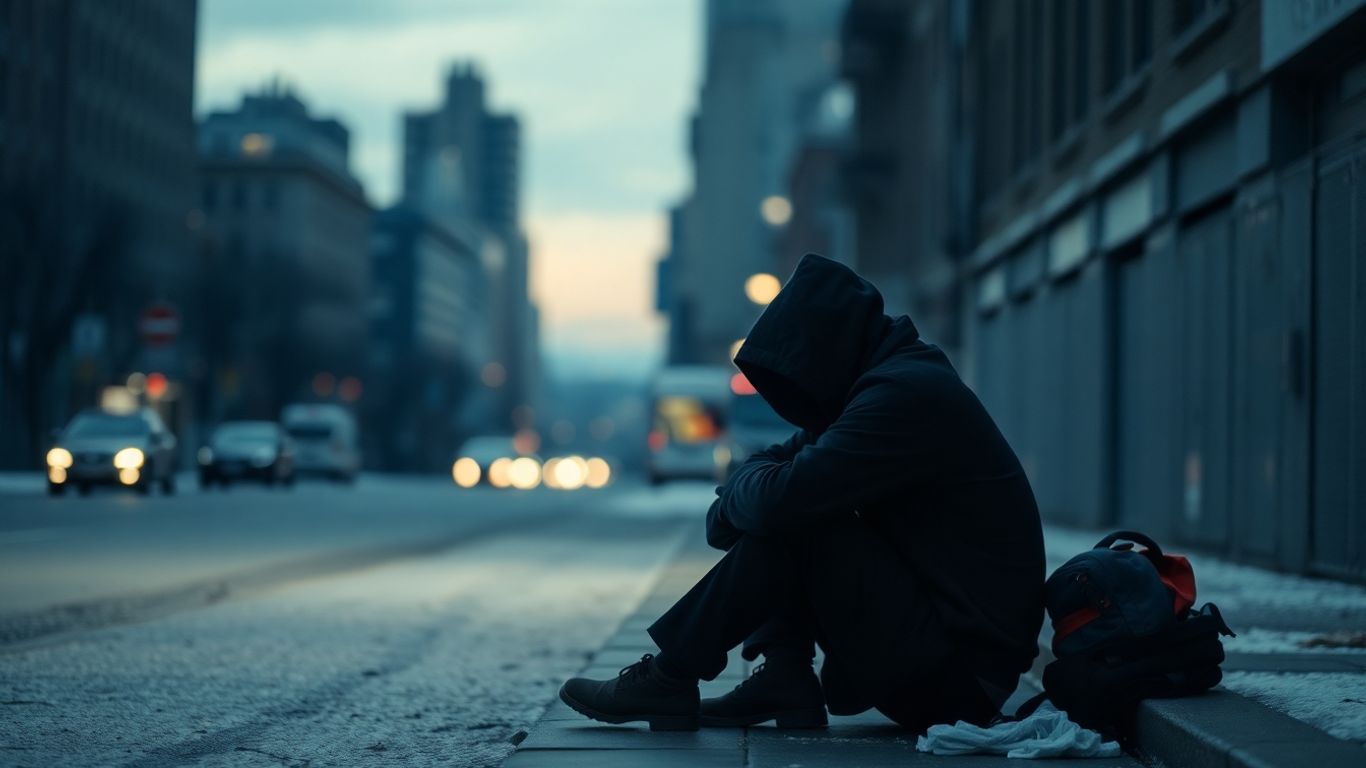 It's a difficult truth that homelessness and mental health issues are deeply connected in the UK. We often see them as separate problems, but in reality, they feed into each other, creating a cycle that's incredibly hard to break. For many, a mental health condition can be the first step towards losing their home.
Mental Illness As A Precursor To Homelessness
When someone is struggling with their mental health, things like holding down a job or maintaining relationships can become a real challenge. Without a strong support network, or if services aren't accessible, this can sadly lead to eviction and ultimately, homelessness. It's not a simple cause-and-effect, but a complex interplay where untreated or poorly managed conditions can leave individuals vulnerable.
Homelessness As A Catalyst For Mental Health Decline
Conversely, the experience of being homeless itself is profoundly damaging to mental well-being. The constant stress of finding shelter, the lack of sleep, the feeling of being invisible, and often, exposure to difficult or dangerous situations, can all take a heavy toll. This can lead to or worsen conditions like anxiety, depression, and post-traumatic stress disorder (PTSD). It's a harsh reality that the very state of being without a home can create or deepen mental health struggles. We know that a significant majority, 82%, of individuals experiencing homelessness also have a mental health diagnosis, highlighting the critical intersection between these two issues [d36e].
The trauma of homelessness can create a breeding ground for mental health problems, while existing mental health issues can make it almost impossible to escape the streets.
Here's a look at how these issues can manifest:
- Job Instability: Difficulty concentrating or managing daily tasks due to mental health can lead to job loss.
- Social Withdrawal: Mental health conditions can make it hard to maintain social connections, reducing support systems.
- Financial Strain: Inability to manage finances effectively can result in rent arrears and eviction.
- Traumatic Experiences: The street environment itself can be a source of trauma, leading to conditions like PTSD.
- Isolation: Lack of stable housing often means a lack of social support, increasing feelings of loneliness and despair.
Barriers To Support For Those Experiencing Homelessness And Mental Ill Health
 It's a tough situation when people are struggling with their mental health and don't have a stable place to live. We often see that the systems meant to help just aren't set up in a way that makes sense for them. It feels like a bit of a catch-22, doesn't it? You need to be stable to get help, but you can't get stable without help.
Systemic Failures In Service Provision
We've noticed that services can be really fragmented. For someone experiencing homelessness, the idea of navigating multiple agencies, filling out endless forms, and proving their need can be overwhelming, especially when they're dealing with severe anxiety or depression. Often, there are strict criteria for accessing mental health support, like needing to be free from substance use or having a fixed address. This creates a huge hurdle for many who are in the thick of their struggles. It's not uncommon for people to be told they need to sort out their housing before they can get mental health treatment, or vice versa. This 'you must be this stable to get help' approach leaves many in a limbo.
- The 'Housing First' model, which prioritises providing housing without preconditions, shows promise but isn't yet widespread enough.
- Many support services operate in silos, making coordinated care difficult.
- Funding often doesn't match the scale of the need, leading to long waiting lists for therapy and psychiatric appointments.
The reality is that for someone in crisis, the immediate need is often for shelter and safety, not a complex treatment plan that requires them to be 'ready'.
The Impact Of Social Isolation On Well-being
Being without a home is incredibly isolating. You lose your connections, your routine, and often, your sense of self-worth. This lack of social contact can really take a toll on mental health, making existing conditions worse and even triggering new ones. We've seen how loneliness can deepen feelings of despair and hopelessness.
- Loss of social networks and support systems.
- Stigma associated with homelessness can lead to avoidance by others.
- Difficulty in accessing community resources or engaging in social activities due to lack of basic necessities like clean clothes or a place to rest.
It's a cycle where poor mental health can lead to isolation, and that isolation, in turn, further damages mental well-being. Breaking this cycle requires a more compassionate and integrated approach to support.
Moving Forward
It's clear we're facing a significant challenge with mental health and homelessness, and the numbers coming out of Ireland really highlight how serious it's become. We've seen how these two issues feed into each other, creating a tough cycle for people to break free from. The system, as it stands, often puts up barriers rather than offering a hand up, making it incredibly difficult for individuals to get the support they need. We need to look at this not just as a problem for those directly affected, but as a wider societal issue that requires a more joined-up and compassionate approach. Simply put, ignoring this crisis isn't an option; it's time we all worked towards solutions that offer real help and hope.
Frequently Asked Questions
How can mental health problems lead to someone becoming homeless?
When we struggle with our mental health, it can make everyday tasks really tough. Things like holding down a job or keeping relationships going become a massive challenge. If someone doesn't have a strong support network, like family or friends, these difficulties can sadly lead to losing their home.
Can being homeless make mental health issues worse?
Absolutely. Living without a safe place to sleep is incredibly stressful and can be quite frightening. Constant worry, not getting enough sleep, feeling cut off from everyone, and sometimes facing difficult or dangerous situations all take a huge toll. This can sadly lead to or worsen conditions like anxiety and post-traumatic stress disorder.
What stops people experiencing homelessness from getting mental health support?
It's a real struggle. Often, services expect people to be settled and stable before they can get help, which is impossible if you're homeless. There can also be long waiting lists, or people might be turned away if they're dealing with addiction at the same time. The system isn't always set up to help those who need it most, making it hard to get the right support when it's desperately needed.