How Social Prescribing Is Supporting People Experiencing Homelessness

Key Takeaways
Social prescribing offers a transformative way to address the non-clinical roots of homelessness by connecting individuals to essential community-based support networks.
- Social prescribing shifts healthcare from a purely medical focus to a holistic model that prioritizes psychosocial wellbeing.
- Link workers serve as vital bridges, helping people navigate bureaucracy and access critical housing and social resources.
- Effective support requires deep collaboration between general practitioners, local charities, and social services.
- Addressing systemic barriers like digital exclusion is essential for sustaining long-term engagement with high-acuity populations.
- Integrating housing solutions with health services can significantly reduce the burden on emergency care infrastructure.
What is social prescribing?
We define social prescribing as a collaborative process where individuals are connected to community-based support, which complements clinical treatment plans. Instead of focusing solely on medical symptoms, this approach recognizes that factors like loneliness, financial instability, and lack of housing significantly influence our overall health. By embracing this wider lens, we can foster stronger pathways for wellbeing within our local communities.
Defining social prescribing in a UK context
In the UK, social prescribing has emerged as a cornerstone of the health and social care landscape, particularly for vulnerable populations. It acknowledges that many people seeking medical care are presenting with issues rooted in social challenges rather than primary clinical illnesses. We see this framework exploring various models of social prescribing that move beyond pills and procedures to provide practical help in our daily lives.
The role of the link worker in care navigation
Link workers are the heart of the social prescribing process, acting as professional guides who help people find their way through complex support systems. They listen to an individual's personal story and help them identify the right community resources, whether that involves local charity support, welfare advice, or social groups. Through their dedicated outreach, they help us navigate life's uncertainties, especially concerning housing, by reconnecting individuals with communities and ensuring stability through tailored support.
Shifting from a medical-only model to holistic wellbeing
Moving away from a strictly medical-centric view allows us to tackle the underlying causes of poor health. When we treat the whole person, we discover that simple actions—like accessing a local food bank or joining a peer support group—can be just as therapeutic as clinical interventions. This paradigm shift encourages a shift toward proactive, community-integrated care that honors the complexity of the human experience.
How social prescribing supports people experiencing homelessness
 For those of us working with people experiencing homelessness, social prescribing offers a meaningful pathway out of crisis. It provides us with a framework to move beyond the temporary fix of emergency services by addressing the underlying struggles that lead to housing instability. By focusing on person-centered care, we create opportunities for individuals to reclaim their agency and dignity.
Identifying non-clinical needs beyond emergency shelter
While emergency shelters provide immediate relief, they often do not address the complex reasons behind someone's journey into homelessness. Through social prescribing, we can identify specific needs, such as access to mental health support, employment help, or debt management. Addressing these issues early means we can help individuals secure more stable, long-term living situations before they fall through the cracks of mainstream care.
Connecting individuals to community resources and voluntary organisations
We recognize that the most effective support often comes from deep-rooted community initiatives that exist outside the public sector. By bridging the gap between individuals and local voluntary organisations, we facilitate access to housing advice, nutrition, and companionship. We often observe how connecting vulnerable individuals to communities creates a sense of belonging that is rarely achieved through hospital visits or clinical appointments alone.
Building long-term trust and rapport in transient populations
Consistency is essential when supporting people who have experienced the trauma of homelessness and frequent displacement. By maintaining a reliable relationship with a consistent link worker, individuals are more likely to stay engaged with services over the long term. Trust is not built overnight, but by showing up and offering genuine, ongoing assistance, we help individuals navigate the hurdles that might otherwise lead to re-entry into homelessness.
Key stakeholders in the delivery of support
Successfully implementing social prescribing requires a multidisciplinary effort that brings together various institutions in a unified mission. When we align our resources, we create a stronger safety net that is much harder for people to fall through. Cooperation across sectors allows us to maximize our impact on lives that are currently underserved.
The interface between general practice and social services
General practice remains a primary point of contact for many, making it an ideal place to identify those who could benefit from social support. However, GPs often lack the time and resources to manage complex housing and social needs. By formalizing the interface between primary care and social services, we ensure that clinical staff can easily refer patients to professionals who specialize in social advocacy and community navigation.
The crucial function of link workers in outreach
Link workers do not sit behind a desk; they are out in the community, building partnerships and meeting people exactly where they are. Their presence at the street level ensures that even the most isolated individuals have access to resources that might otherwise remain inaccessible. Through this active outreach, we bridge the gap between people with urgent life needs and the organisations designed to help them.
Partnerships with local community groups and charitable organisations
We thrive when we work alongside local charities and grassroots community groups that hold deep knowledge of our neighbourhoods. These groups provide the warmth and tailored services that large institutions cannot emulate. We have learned that collaboration between social housing and social prescribing is fundamental to creating environments where residents can truly thrive.
Overcoming barriers to effective implementation
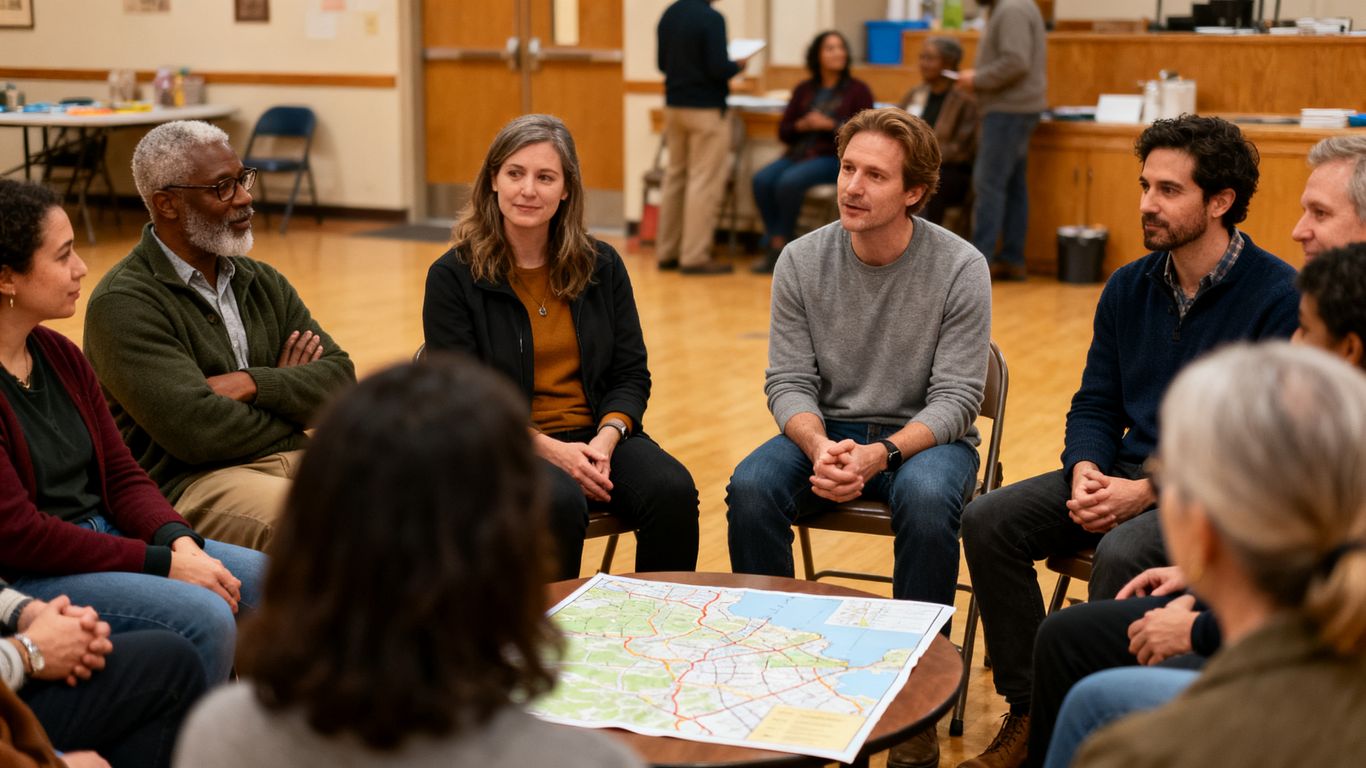 Implementation is rarely smooth, as we face structural hurdles in delivering care to those with complex needs. It is vital to acknowledge these difficulties head-on, as they often prevent us from reaching our goals. By planning for these challenges, we make our programs more resilient and responsive to the needs of the populations we serve.
Addressing digital exclusion and communication gaps
Many of our clients lack reliable access to the internet, creating a significant barrier in an age where most resources are digitised. We overcome this by utilizing offline methods of communication, such as face-to-face meetups, physical maps, and paper-based directories. If we do not account for digital exclusion, we risk leaving behind those who are most in need of our services.
Managing the demand on existing service infrastructure
Our existing services are under immense pressure, and overloading them with new demands without careful coordination could be counter-productive to our long-term goals for social health.
By carefully mapping the demand on our local services, we can prevent burnout of our staff and ensure that clients are matched with resources that have the capacity to help them right now. Sustainable implementation relies on us effectively managing the flow of referrals so that no single part of our social infrastructure becomes bottlenecked.
Sustaining engagement for individuals with complex, high-acuity needs
Sustaining engagement requires flexibility, as we cannot expect everyone to strictly adhere to traditional appointment times or rigid protocols. We must prioritize compassionate, flexible service delivery to ensure that those struggling with severe mental health issues or substance misuse do not drift away. Providing consistent, non-judgmental support helps individuals feel valued, which keeps them coming back even during difficult periods in their journey.
Measuring the impact on housing and health
We must move past anecdotal success stories and commit to gathering meaningful data that demonstrates how our work translates into better living conditions. By tracking our progress, we can refine our methods and prove to policy makers that investing in social prescribing is a sound decision for the future of our health systems. Our impact is reflected in the tangible stability of the people we support.
Reducing the reliance on emergency and secondary care services
When we address the non-medical needs that trigger medical crises, we naturally see a reduction in the use of emergency care. By preventing the revolving door of hospital visits, we save valuable system resources while providing more dignified care for our patients. This shift allows our emergency teams to focus on the truly acute cases that require their specialized input.
Improving mental health and psychosocial wellbeing
Living without a stable home is inherently traumatic, and our services must prioritize the restoration of mental peace. Through regular social engagement and practical assistance, we see first-hand how improved psychosocial health correlates with better housing outcomes. Taking the time to build a support network helps individuals manage their stress, fostering a sense of long-term hope and security.
Enhancing long-term social integration and stability outcomes
Our ultimate goal is to see people not just housed, but fully integrated into their local communities. Stability is achieved when individuals feel connected to their neighbours, involved in local activities, and empowered to manage their own lives. We measure our success by the endurance of these connections, which provide the safety net needed to prevent a return to homelessness.
Future developments in integrated care for homeless populations
We are reaching a turning point in how our healthcare systems relate to the fundamental needs of the population. As we look at the evolution of care, it is clear that integration is the only way forward. We are committed to building a brighter, more sustainable future that incorporates housing as a vital component of public health strategy.
Expanding partnerships between local authorities and health trusts
Closer coordination between those responsible for housing and those managing healthcare is essential. We encourage departments to share data and goals, ensuring that people are not passed around between agencies while their health deteriorates. Unified teams are far more effective at resolving the multifaceted problems that often come with the experience of homelessness.
Scaling successful pilot programmes to regional levels
What works in one town should be tested and potentially adapted for use elsewhere. We need to document our pilot successes thoroughly so that regional authorities have clear evidence for scaling these efforts. Scaling is a delicate balance of maintaining the personal feel of a program while increasing the volume of people served across a wider geography.
Policy recommendations for creating sustainable funding models
Funding should not be a barrier to doing the right thing for our community. We advocate for long-term investments that prioritize social prescribing as a core component of public health infrastructure, rather than a series of temporary, unstable projects. Consistent funding will allow us to hire the staff we need and maintain the long-term relationships that define our success.
Conclusion
By weaving together local care, social advocacy, and a deep commitment to the individual, social prescribing provides a bridge to stability for those experiencing homelessness. This approach allows us to confront the systemic issues of housing and health with a unified, compassionate effort that acknowledges the worth of every person.
Frequently Asked Questions
What are the main benefits of social prescribing for homeless individuals?
Social prescribing helps bridge the gap between emergency support and long-term stability by connecting individuals to fundamental services like housing assistance, mental health support, and social companionship.
How do link workers specifically help people facing homelessness?
Link workers serve as personal advocates who guide individuals through complex systems, help them access local welfare and housing resources, and follow up to ensure they stay connected to support networks.
Does social prescribing replace standard medical care?
No, it is intended to complement clinical treatments by addressing the social and practical factors that impact health, allowing doctors to focus on medical needs while social prescribers handle community integration.
Why is digital inclusion a factor in social prescribing?
Many people experiencing homelessness lack access to digital devices or reliable internet, making it difficult for them to navigate modern, tech-focused service systems, which requires link workers to use offline outreach.
Can social prescribing work without strong community partnerships?
It is much harder to be effective without strong local relationships, as the strength of social prescribing relies on a network of voluntary organisations and charities that provide the actual community support.
How does this approach reduce the need for emergency care?
By addressing the root causes of health crises—like poor living conditions or social isolation—individuals are less likely to experience the type of emergencies that necessitate frequent, expensive visits to emergency departments.
What does the future of social prescribing look like?
Future success involves formalizing the integration between housing and health authorities, securing sustainable long-term funding, and scaling proven models to ensure that supports are available universally to those who need them.