How Skills Training Can Transform Vulnerable Communities

We've been looking into how teaching new skills can really make a difference in communities that often get overlooked. It's not just about getting a job; it's about building a stronger future for everyone involved. When people learn practical skills, they gain confidence and can start to build a more stable life for themselves and their families. This, in turn, helps their whole community grow and become more resilient.
Key Takeaways
- Vocational training gives people practical skills for jobs, helping them become independent and earn a living.
- When more people in a community have useful skills, it helps local businesses grow and makes the area stronger overall.
- Training needs to keep up with new technology and teach adaptable skills so people are ready for future job changes.
Empowering Individuals Through Vocational Training
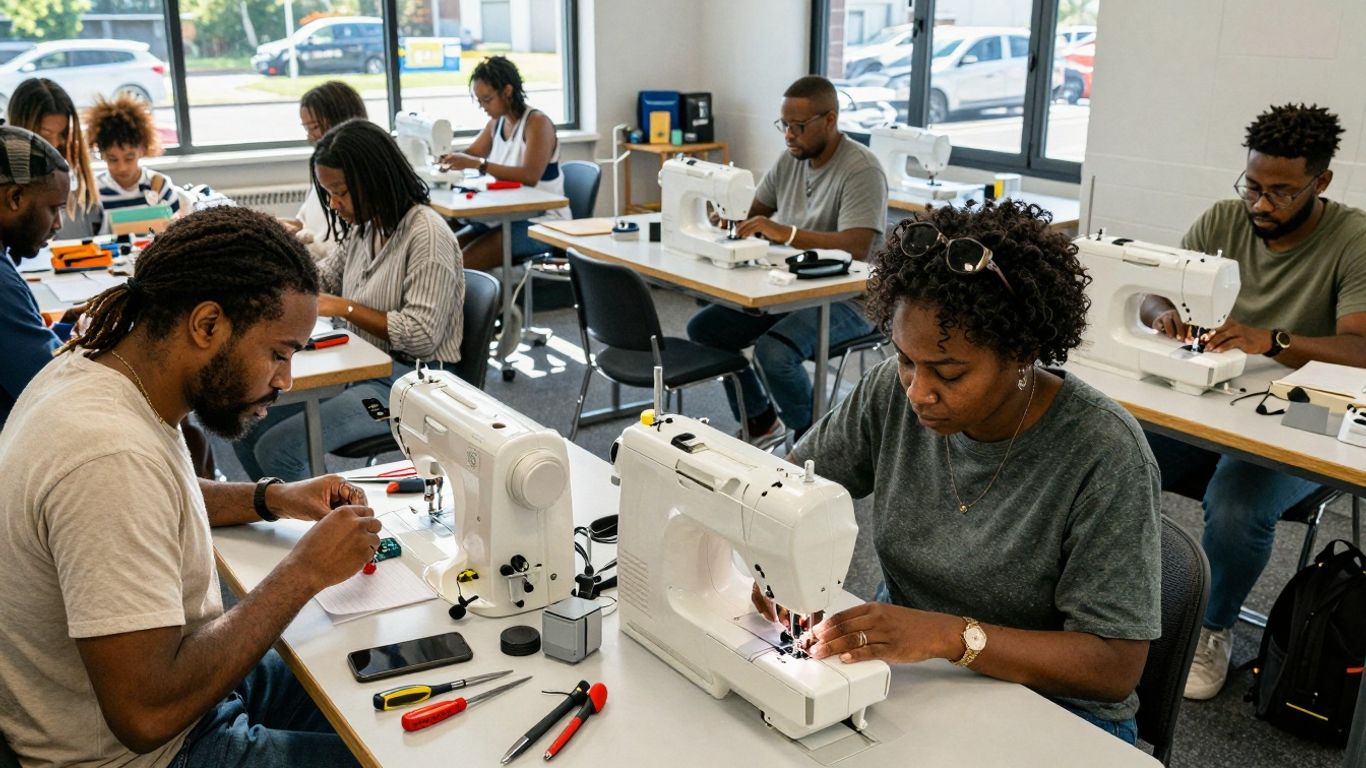 When we talk about helping people in vulnerable communities, a big part of it is giving them the tools to stand on their own two feet. That's where vocational training really comes into its own. It’s not just about learning a job; it’s about building a future.
Building Foundational Skills for Sustainable Livelihoods
Think about it – many people in these communities might not have had the chance to finish school or get the kind of training that leads to steady work. Vocational training steps in to fill that gap. We're talking about practical skills, the sort you can use straight away to earn a living. This could be anything from learning to repair electronics, to basic carpentry, or even hairdressing. The key is that these are skills that people actually need and will pay for.
- Learning a trade provides a direct route to employment.
- It gives individuals a sense of purpose and accomplishment.
- These skills can often be used to start small businesses, creating even more opportunities.
We've seen how learning a trade can change a person's outlook entirely. It moves them from a place of uncertainty to one where they can plan for the future, knowing they have a way to support themselves and their families.
Fostering Independence and Economic Self-Sufficiency
Beyond just getting a job, vocational training is about building independence. When someone learns a skill they can rely on, they become less dependent on aid or the unpredictable nature of informal work. This self-sufficiency is incredibly important for personal dignity and for breaking cycles of poverty that can span generations.
The ability to earn a consistent income through a learned skill allows individuals to make their own choices and take control of their lives. This sense of agency is transformative.
We focus on making sure the training is relevant to what the local economy needs. This means looking at what jobs are available and what skills employers are looking for. It’s a practical approach that yields real results:
- Increased earning potential: Individuals can command better wages with specialised skills.
- Reduced reliance on external support: Communities become more self-reliant.
- Improved quality of life: Access to better housing, healthcare, and education for families.
It’s about giving people the confidence and the means to build a better life for themselves, not just for today, but for the long term.
Strengthening Communities Via Skills Development
 When we invest in skills training, we're not just helping individuals; we're actively building stronger communities from the ground up. It's about creating a ripple effect that benefits everyone. Think about it: when more people in a local area have the skills that local businesses actually need, employment rates tend to go up. This means more money circulating within the community, supporting local shops and services. It also starts to build a sense of self-reliance, reducing the need for outside help and encouraging local industries to grow.
Driving Local Economic Growth Through Skilled Labour
We've seen how equipping people with practical, in-demand skills can really kickstart local economies. It's not just about filling jobs; it's about creating a workforce that can adapt and contribute to new ventures. For example, training in areas like construction, renewable energy installation, or digital marketing can directly support the expansion of local businesses or even the creation of new ones. This skilled labour pool becomes an attractive asset for investment, drawing in opportunities that might otherwise pass the community by.
Enhancing Community Resilience and Diversification
Communities that rely too heavily on one industry can be quite vulnerable. If that industry faces a downturn, the whole community feels the pinch. Skills training helps us move away from this by promoting diversification. By offering training across a range of sectors – from agriculture and food processing to care services and creative industries – we help create a more adaptable workforce. This means that if one sector struggles, people can more easily transition to others, keeping the local economy stable and preventing widespread hardship. It’s about building a community that can weather economic storms.
- A diversified economy is a more stable economy.
- Training in new technologies can open up entirely new local industries.
- Supporting small business creation through skills development adds to the economic fabric.
When we focus on skills that are transferable across different jobs and industries, we're essentially future-proofing our communities against economic shifts. This adaptability is key to long-term prosperity and well-being for everyone living there.
Addressing Evolving Labour Market Demands
The world of work is changing, and we need to keep up. Automation, new technologies, and even climate change are reshaping industries faster than ever before. This means the skills that were valuable yesterday might not be enough for tomorrow. We have to think about how we train people so they're ready for these shifts.
Adapting Training to Technological Advancements
Technology is advancing at a breakneck pace. Think about artificial intelligence and automation; these aren't science fiction anymore, they're part of our workplaces. To stay relevant, our training programmes must incorporate these new tools and methods. We can't just teach old skills; we need to equip individuals with the digital literacy and technical know-how to work alongside these advancements. This might mean updating existing courses or creating entirely new ones focused on areas like data analysis or digital marketing. It's about making sure people can use the latest technology, not be replaced by it.
- We need to regularly review and update training curricula.
- Introduce modules on digital tools relevant to local industries.
- Partner with tech companies to understand future skill needs.
- Provide access to online learning platforms for continuous skill development.
The gap between the skills people have and the skills employers need is growing. This isn't just a problem for individuals; it affects entire economies. If we don't adapt our training, we risk leaving many behind.
Cultivating Transversal Skills for Future Readiness
Beyond specific technical abilities, there are broader skills that help people adapt to almost any job. We call these transversal skills. Things like problem-solving, critical thinking, communication, and the ability to learn new things quickly are incredibly important. These skills aren't tied to one particular job or technology. They help individuals navigate change, whether it's a new software system at work or a shift in the industry itself. Building these foundational abilities makes our workforce more flexible and resilient. It means people can switch roles or even industries if needed, which is vital for long-term career adaptability.
Here's what we should focus on:
- Problem-Solving: Teaching individuals how to identify issues and find practical solutions.
- Critical Thinking: Helping people analyse information and make reasoned judgments.
- Adaptability: Encouraging a mindset that embraces change and new learning.
- Communication: Developing clear and effective ways to share ideas and information.
We also need to consider how these skills apply to new challenges, like those presented by climate change. Training for green jobs, for instance, requires not only technical knowledge but also the ability to adapt to new environmental regulations and sustainable practices.
Looking Ahead
So, we've seen how giving people practical skills can really make a difference. It's not just about learning a trade; it's about opening doors to jobs, helping people start their own businesses, and generally making life better for them and their families. When communities have more skilled workers, everyone benefits. It means less reliance on outside help and more local growth. We believe that by continuing to support and expand these training programmes, we can help more vulnerable communities build a stronger, more hopeful future for themselves. It’s a long road, but the impact is undeniable.
Frequently Asked Questions
How does vocational training help us get better jobs?
Vocational training teaches us specific skills that employers are looking for. Instead of just general knowledge, we learn practical abilities for jobs like carpentry, hairdressing, or mechanics. This makes us more likely to get hired and earn a steady income, helping us build a better life.
Can skills training really make our whole community stronger?
Absolutely! When more people in our community have useful job skills, local businesses can grow because there are skilled workers available. This means more jobs, more money circulating locally, and less reliance on outside help. It makes our community more resilient and self-sufficient.
What if the jobs we train for disappear because of new technology?
That's a great point. While learning specific job skills is important, the best training also helps us develop 'transversal skills'. These are things like problem-solving, critical thinking, and being adaptable. These skills help us learn new things quickly and adjust to changes in the job market, making us ready for whatever the future holds.