Key Takeaways
Effective inspection practices balance organisational needs with resident dignity, ensuring everyone feels secure and respected in their living environment. By adopting a trauma-informed and transparent approach, hostels can turn routine checks into opportunities for positive engagement rather than points of conflict.
- Establish clear inspection parameters at the point of induction.
- Differentiate clearly between routine safety checks and welfare visits.
- Prioritise resident consent and transparent communication in all protocols.
- Document findings with sensitivity to foster genuine service improvement.
- Integrate trauma-informed care to manage resistance and promote healing.
The purpose of resident room checks in a homeless hostel
Room checks form a fundamental part of maintaining a communal living space where everyone can feel secure. By monitoring the environment regularly, we ensure that facilities remain hazards-free and comfortable for all residents. The goal remains to create a cooperative atmosphere, aligning hostel operations with the high standards seen at community-focused organisations like Covenant House.
Prioritising safety and welfare over surveillance
Our primary objective during any entry is the active preservation of physical safety. We look for potential fire risks, broken equipment, or signs that a resident has fallen ill and needs immediate assistance. By framing these moments as proactive support rather than monitoring, we build trust and demonstrate that we are an ally in their journey.
Balancing institutional security with a sense of home
We must recognise that for many of our residents, these rooms serve as their only private sanctuary. It is essential that we treat these spaces with the same respect we would afford a private apartment while ensuring that the broader hostel remains a secure site. Finding that balance ensures we uphold safety without stripping away the dignity of those we serve.
Addressing legal and contractual requirements
Hostel mandates often require consistent upkeep of all living quarters to comply with insurance and health regulations. We fulfil these obligations rigorously, ensuring that staff understand why specific protocols exist. When we view these as essential Emergency Housing standards, it becomes easier to maintain the facility safely and reliably for everyone involved.
Establishing clear expectations for room inspections
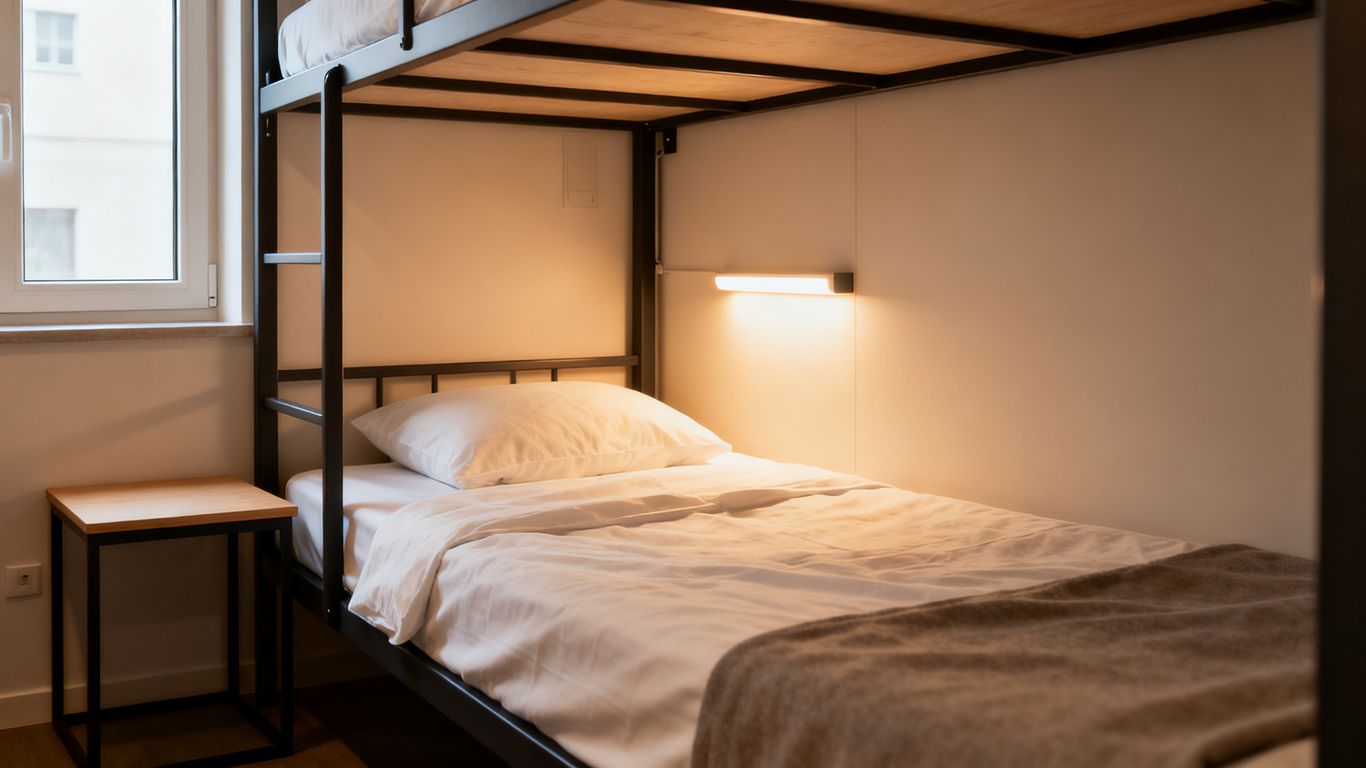 Setting boundaries early prevents misunderstanding and helps residents feel prepared for the frequency of staff visits. We find that explaining exactly why and how we perform these checks during the initial onboarding provides residents with much-needed certainty. Clear communication removes the guesswork, which is a common stressor for those managing recent housing transitions.
Communicating policies during the initial induction
When a new person arrives, we sit down to explain the house rules in a way that is kind but firm. We ensure they understand that periodic visits are part of our collective responsibility to keep the building safe. Being open about our intent helps mitigate the anxiety often associated with authority figures conducting room inspections.
Outlining the difference between routine and welfare checks
It helps to clarify that not all entries are identical, as routine inspections focus on space upkeep, while welfare checks prioritise health. We have observed that many Homeless Shelters benefit when staff clearly identify the reason for their visit before entering. To keep things objective, we often follow a structured approach:
- Confirm the resident's presence if possible.
- State the specific purpose of the visit clearly.
- Keep the visit timeframe as brief as possible.
- Close and lock the room securely upon departure.
This simple process ensures that residents know exactly what to expect when a staff member walks through their personal door.
Providing written guidance for residents to refer to
Giving residents a physical or digital copy of the inspection guide empowers them by keeping the information accessible. No one likes to feel blindsided by a policy they have forgotten. When everyone shares a mutual understanding of the written guidelines, it reduces friction and demonstrates our commitment to honest, transparent operations.
Protocols for carrying out respectful site visits
Professional site visits require a delicate touch, especially in communal living settings where trust is fragile. We always try to avoid surprising residents, preferring instead to knock and signal our presence long before entry. Treating someone’s private space with care is a core component of the supportive environment fostered at The Samaritan Inn.
Prioritising notification and resident consent
Whenever possible, we provide advanced notice of when staff will be in the building for maintenance or inspections. While health and safety emergencies override consent, we strive to earn cooperation by being predictable. Respecting the individual’s time and space during these instances is a vital step in maintaining long-term resident rapport.
Maintaining professional boundaries during the walk-through
Staff training should emphasise that a professional walk-through is strictly about the room’s condition, not the resident’s lifestyle. We keep our comments neutral and our interactions focused on facility health or emergency equipment. This restraint protects staff from overstepping while ensuring the resident feels their privacy remains the highest possible priority.
Managing the presence of staff and external partners
When maintenance teams or external contractors come into the building, we ensure one of our regular staff members is always present as a chaperone. This prevents the feeling of being overwhelmed for the resident and keeps the interaction focused on the specific task. Maintaining this presence is essential to ensure that protocols are followed correctly and that the resident’s privacy is not violated, even when external contractors are involved.
Applying trauma-informed principles to room checks
 Residents often carry the weight of past instability, making the prospect of a room check feel intrusive or threatening. By adopting trauma-informed practices, we create a environment where safety is the baseline and vulnerability is met with compassion. We believe that how we enter a space is just as important as why we enter it.
Recognising the impact of past housing instability
Many of our residents have experienced years of being moved from place to place without warning or security. We understand that a sudden knock at the door can trigger a fight-or-flight response. Staying mindful of these histories allows us to adjust our tone and pace, making the process significantly less traumatic.
Offering choice and control wherever possible
Providing staff with clear ways to involve the resident in the room check process fosters a sense of agency and reduces the inherent power imbalance during these mandatory interactions.
When we give residents the option to be present during an inspection or to suggest a preferred time for non-urgent tasks, we restore a level of control that was often missing in their lives. This small shift in protocol significantly improves the relationship between the staff and residents.
Ensuring communication remains transparent and non-judgemental
Our language should always be descriptive and non-accusatory. Instead of criticising a cluttered room, we ask if the resident needs assistance or supplies to help manage their storage. This pivot from policing to problem-solving creates the foundation for a much stronger and more trusting residential relationship.
Navigating resistance and managing difficult situations
Resistance is rarely a personal attack on staff members; it is almost always an expression of fear or previous negative experiences with institutional systems. We approach these moments as chances to de-escalate and demonstrate that we are truly responsive to their concerns. Even when Residents at a shelter feel frustrated, we remain focused on our supportive core mission.
De-escalating potential tension during mandatory checks
When a resident refuses entry for a routine safety check, we pause and explain the necessity of the visit. Getting defensive rarely works, but calm explanation combined with empathy usually breaks the deadlock. Keeping our voices low and our body language open communicates that we aren't there to provoke a fight.
Handling reports of privacy violations effectively
If a resident feels their privacy was ignored, we take those claims seriously immediately. We conduct a review of how the visit was handled and discuss what went wrong with the staff involved. Acknowledging a mistake early and taking steps to correct it is the only way to retain the trust we work so hard to build every single day.
Balancing firm institutional boundaries with supportive engagement
There is a fine line between enforcing necessary safety standards and being overly controlling. We don't shrink from our duties, but we execute them with consistent kindness. By being predictable and fair, we demonstrate that there is no hidden agenda in our work, which makes for a more stable living situation for every resident on site.
Recording and reviewing inspection outcomes
Documentation is necessary for our records, but how we use that data defines our culture. We strive to capture the facts accurately without turning our logs into a list of grievances. By using this information to drive service improvements, we show that inspections are a tool for the residents' wellbeing, not a record for disciplinary action.
Ensuring accurate documentation without compromising privacy
We keep our notes focused on facility issues and health requirements, stripping away unnecessary personal details about the resident's life. Good record-keeping identifies patterns—like a recurring heating issue or a water leak—that might otherwise go unnoticed. Maintaining privacy in our logs protects the residents and keeps our files professional.
Using findings to improve resident wellbeing services
When we find that multiple rooms need better storage solutions, we take action to provide them. Using inspection data to identify gaps in our support services shifts the entire culture of our hostel. We stop looking for problems to fix and start looking for ways to better help our residents thrive.
Feeding back successes and concerns to the wider hostel team
We share inspection learnings during our weekly team meetings to keep everyone aligned and informed. This ensures that every staff member understands the challenges and wins we see across the building. A unified team approach to our daily duties helps maintain a high standard of care and keeps morale steady.
Conclusion
Creating a respectful, trauma-informed approach to resident room checks transforms these necessary tasks into chances for community building. By leading with clear communication, empathy, and a focus on safety as a shared goal, we can ensure that every resident feels valued and secure in their own temporary space.
Frequently Asked Questions
How often should room checks occur in a hostel environment?
Frequency depends on your specific facility policies and safety requirements, though consistency is more important than volume. Most hostels find that predictable, scheduled checks feel less intrusive than random or surprise visits, helping residents maintain a stable routine.
Can residents be present during a room inspection?
Yes, and it is usually recommended that they are present if it helps them feel more comfortable. Encouraging the resident to observe the process allows them to see the check as a transparent safety procedure rather than a hidden surveillance tactic.
What should staff do if they find prohibited items?
Staff must follow the established building code of conduct while remaining calm and respectful. The policy should have clear, pre-communicated consequences, and the conversation should focus on the safety protocols agreed upon during the resident’s intake process.
Are welfare checks different from maintenance inspections?
Yes, they have different purposes and protocols. Maintenance inspections focus on the physical condition of the living space, whereas welfare checks monitor the resident’s wellbeing and need for potential support, usually requiring a more sensitive, conversational approach.
How do you handle a resident who consistently refuses access?
Prioritise building a dialogue or involving a caseworker the resident trusts to bridge the gap. Determine if the refusal stems from fear or misinformation, and clearly explain the safety-based reasons why the visit is mandatory for all residents in the facility.
What is a trauma-informed approach to housing inspections?
This approach recognises that many individuals have experienced prior housing instability and might perceive inspections through a lens of fear. It prioritises open communication, predictability, and giving residents a sense of choice and control to lower anxiety levels during staff visits.
How should staff document inspection results?
Documentation should be concise, objective, and strictly limited to safety and facility-related findings. Avoid subjective or judgmental language regarding a resident’s personal belongings, ensuring that all records are used solely to improve facility safety and service delivery.