How Hostels Help Ex-Offenders Reintegrate into Society

We've been looking into how hostels are making a real difference for people leaving prison. It's a tough transition, and finding a safe place to stay is a big hurdle. We're exploring how these places offer more than just a roof over their heads, helping ex-offenders get back on their feet and become part of the community again. The ex-offender housing UK situation is complex, but these hostels seem to be offering a practical way forward.
Key Takeaways
- Hostels provide stable accommodation, which is a major challenge for many ex-offenders in the UK, helping to reduce homelessness upon release.
- These accommodations offer support structures, including keyworker guidance and access to vital services like employment and healthcare, aiding reintegration.
- The hostel model, by providing a stable base and support, can help reduce reoffending rates and offer a cost-effective solution compared to re-incarceration.
Addressing Ex-Offender Housing Shortages In The UK
 The Scale Of The Problem
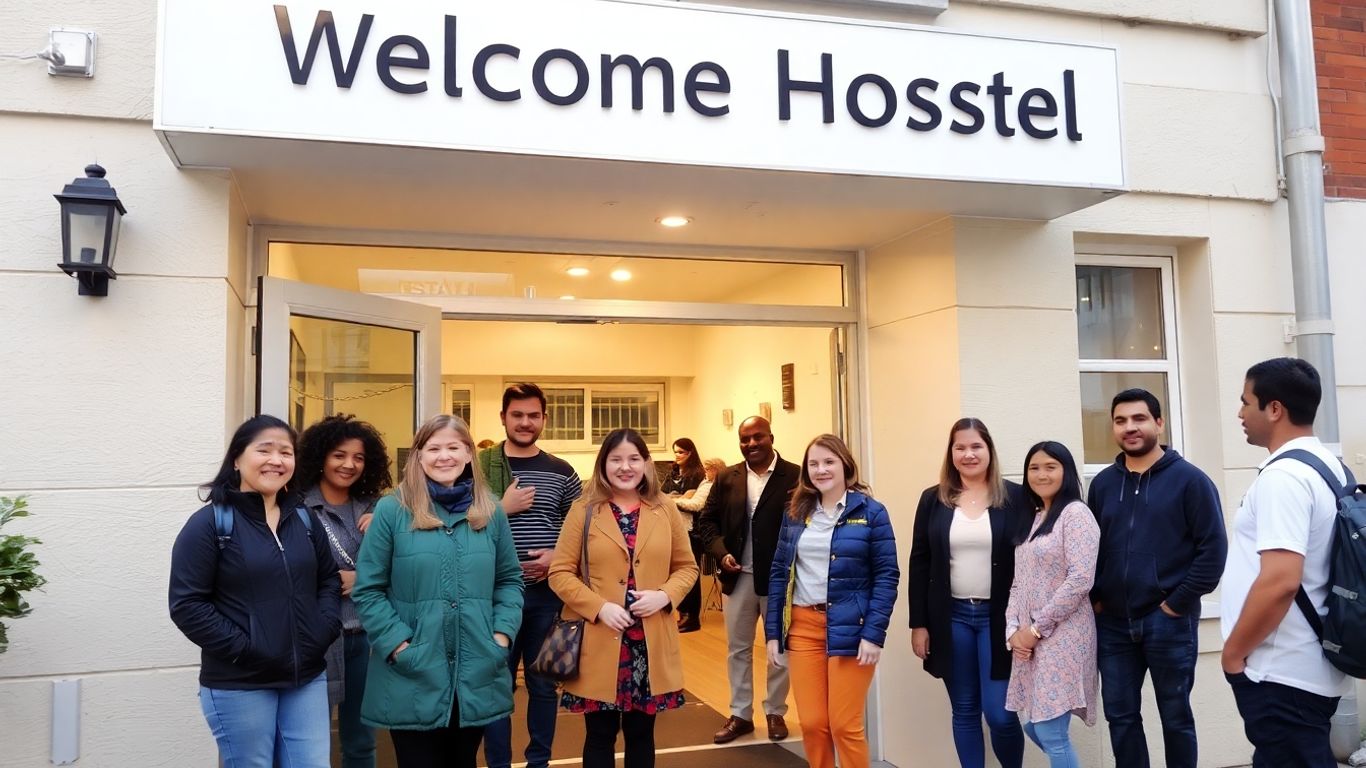
We've seen a worrying trend emerge: a significant number of individuals leaving prison without a stable place to call home. Official figures from March 2022 to March 2023 show that the percentage of prisoners released without immediate accommodation rose from just over 11% to nearly 14%. This isn't just a small blip; it's a growing issue that leaves many vulnerable. Some prisons are worse than others, with reports indicating that a third of men released from Peterborough's jail last year had nowhere to go. Similarly, HMP Bedford and HMP Chelmsford have seen nearly a third of their inmates discharged into homelessness. Even when temporary accommodation is provided, it's often just that – temporary. Data from March 2023 revealed a 10% drop in individuals remaining housed three months after release compared to those who had initial accommodation.
This lack of a stable address creates a cascade of problems. It's incredibly difficult to get identification, open a bank account, or even apply for work without a fixed address. We understand that professionals in the prison and probation services recognise housing as a key part of rehabilitation. In fact, the Ministry of Justice suggests that stable accommodation can cut reoffending rates by as much as 50%. Releasing people into homelessness feels like setting them up to fail, potentially pushing them back towards the circumstances that led them to prison in the first place. It simply doesn't make sense.
The current system often fails to provide the basic stability needed for a fresh start, leading to a cycle of homelessness and reoffending that impacts individuals and society.
Hostel Models As A Solution
Hostels offer a practical model to tackle this housing shortage. They provide a structured environment where ex-offenders can begin to rebuild their lives. The idea is simple: offer stable accommodation as a base from which individuals can pursue work, education, and reintegration. Some models, like the Own Merit project in Northampton, operate with lower overheads by being unstaffed. In these cases, residents are encouraged to support each other and resolve disputes through regular house meetings. This approach can be more cost-effective than traditional approved premises, which can cost significantly more per year. Furthermore, the cost of re-imprisonment for those who reoffend due to homelessness is substantial, making preventative housing a sound financial investment.
We believe that by leaving egos and politics aside, we can implement effective solutions. The focus should be on helping individuals, not on bureaucratic hurdles. While challenges exist, such as ensuring consistent engagement from prisons and probation services, the potential benefits are clear. A well-managed hostel can provide the necessary foundation for former inmates to become contributing members of society, reducing reoffending and saving public money in the long run. It's about offering a chance for a reset, a chance to move forward positively.
Support Structures Within Hostels For Reintegration
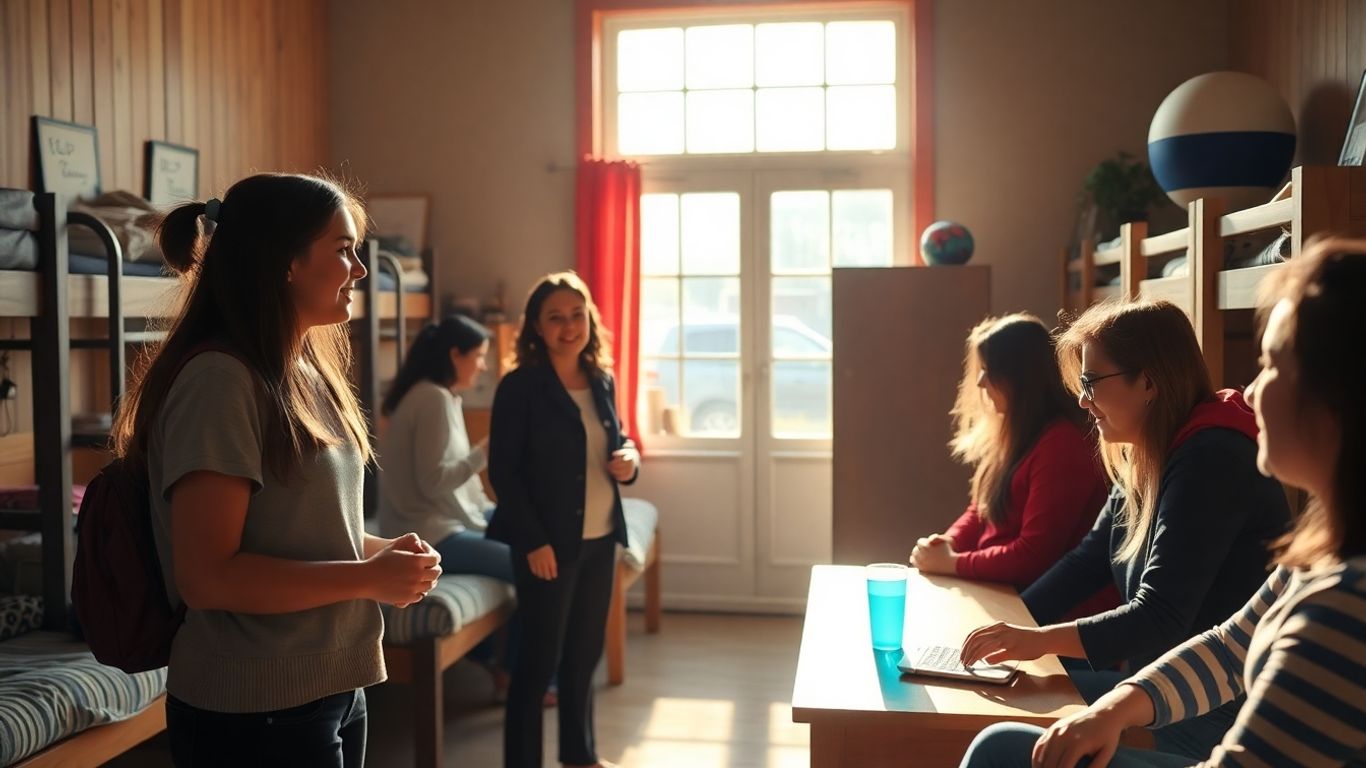 When we talk about hostels for ex-offenders, we're not just talking about a roof over someone's head. It's about building a whole system of support to help people get back on their feet. We see hostels as places where individuals can find stability, but also get the guidance they need to make lasting changes.
Keyworker Support And House Rules
One of the main things we provide is access to keyworkers. These are people who are there to help residents with all sorts of things, from practical advice to just having a chat. They help set clear expectations through house rules, which are important for everyone living together. These rules cover things like:
- Respecting other residents and staff.
- Keeping communal areas tidy.
- Adhering to a curfew, if one is in place.
- Participating in house meetings or activities.
Having these guidelines in place helps create a structured and safe environment for everyone. It’s not about being overly strict, but about making sure the hostel is a place where people can focus on their recovery and reintegration without unnecessary conflict.
The aim is to provide a framework that encourages personal responsibility and mutual respect. It’s a balance between offering freedom and maintaining the order needed for rehabilitation.
Accessing Essential Services Through Hostels
Hostels often act as a central point for accessing other vital services. For someone leaving prison, things like getting identification, opening a bank account, or finding work can be really difficult without a fixed address and support. We help bridge that gap.
Here are some of the services we commonly help residents connect with:
- Employment Support: This can include help with CV writing, job searching, and interview practice. Some hostels even have links with local businesses that are open to employing ex-offenders.
- Healthcare: We assist residents in registering with local GPs, dentists, and mental health services. This is particularly important for those who may have had ongoing health issues or addiction problems that need continued care.
- Education and Training: For those looking to gain new skills or qualifications, we can point them towards relevant courses and training providers. This might be anything from basic literacy and numeracy to vocational training.
- Financial Advice: Managing money can be a challenge, so we connect residents with services that can help with budgeting, debt management, and understanding benefits they might be entitled to.
By having these connections readily available, we aim to remove some of the immediate barriers that ex-offenders face, making their transition back into the community a more manageable and successful one.
A Path Forward
It's clear that hostels like Own Merit are doing important work. They offer a stable place for people leaving prison to get back on their feet, which seems like a sensible way to help reduce reoffending. We've seen how much difference having a proper address and support can make. While there are official systems in place, initiatives like this, often driven by people with lived experience, show a real commitment to making things better. We hope more of these projects get the backing they need to help more individuals successfully rejoin society.
Frequently Asked Questions
What exactly is a hostel for ex-offenders?
We see hostels for ex-offenders as safe places where people who have been in prison can live when they are first released. They offer a roof over their heads and support to help them get back on their feet. It's all about giving them a stable base so they can find work, get back into education, and become part of the community again, rather than returning to old habits.
What kind of help can we expect to get at these hostels?
When we live in one of these hostels, we get a keyworker who helps us figure out what we need. This could be help finding a job, sorting out housing, dealing with health issues, or getting support for drug or alcohol problems. We also have house rules to follow, which helps us all get along and stay on the right track. It's a structured environment designed to help us succeed.
How long do we usually stay in a hostel?
The length of stay can vary quite a bit. It really depends on our individual needs and how quickly we're able to get back on our feet. Some people might only need a short stay, perhaps just to get their bearings, while others might need longer to sort out housing, find stable work, and build up their confidence. The goal is always to help us move on to independent living as soon as we're ready.