How Emergency Cleaning Prevents Disease Outbreaks in Hostels

We all know hostels can be busy places, with people coming and going all the time. Keeping them clean is a big job, but it's super important, especially when it comes to stopping illnesses from spreading. Sometimes, things go wrong, and a quick, proper clean-up is needed fast. That's where emergency cleaning services UK come in handy, making sure our hostels stay safe for everyone.
Key Takeaways
- Regular cleaning is vital for hostels, focusing on things people touch a lot. Proper laundry handling for bedding is also a must to stop germs spreading.
- When spills or contamination happen, quick action is needed. Special cleaning for things like carpets and soft furnishings is important to fully get rid of any nasties.
- Having access to emergency cleaning services UK and making sure our staff are trained and have the right protective gear helps keep hostels safe and prevents outbreaks.
Maintaining Hygiene Standards In Hostel Environments
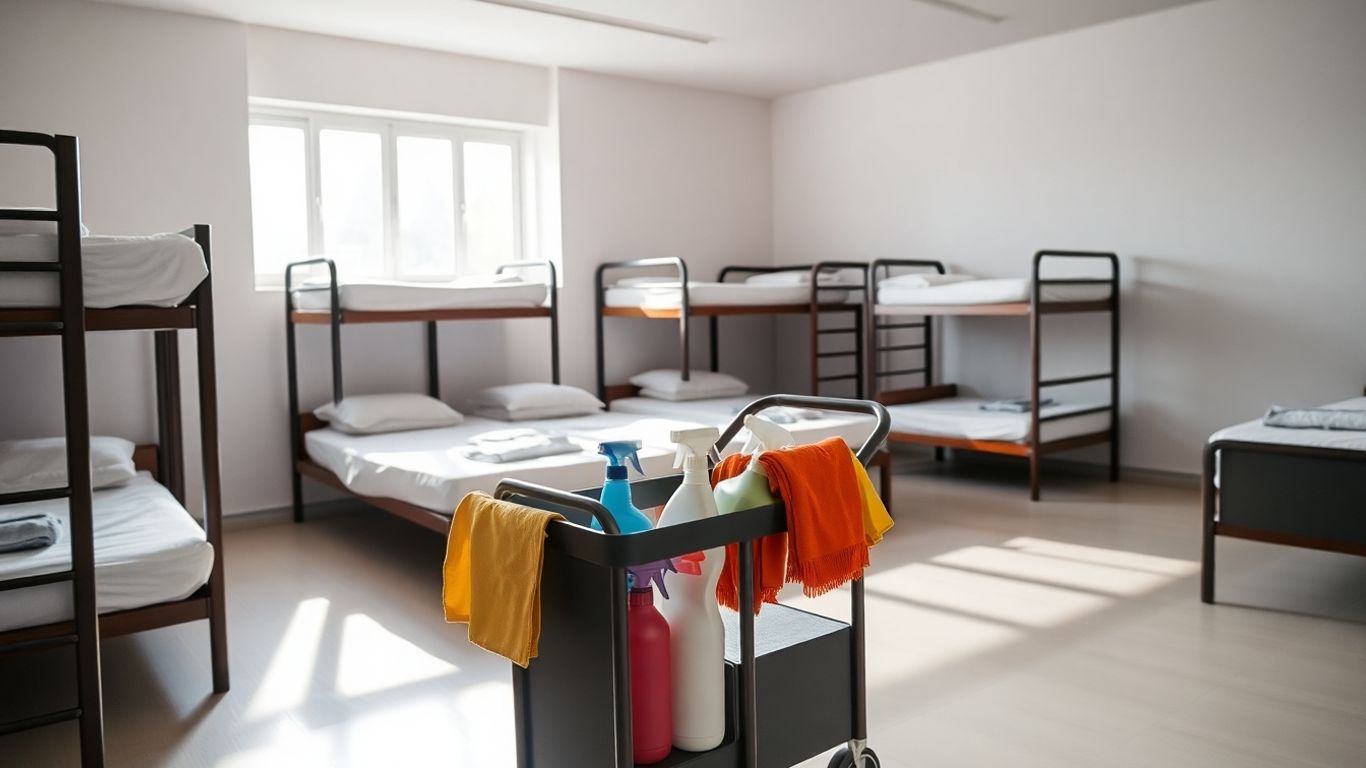 Keeping our hostels clean isn't just about making them look nice; it's a really important part of stopping illnesses from spreading. We all have a role to play in this, and by sticking to some basic routines, we can make a big difference.
Routine Cleaning Protocols For High-Touch Surfaces
Think about all the things people touch constantly in a hostel: door handles, light switches, remote controls, tables in common areas, and even the buttons on vending machines. These are the places where germs can hang around. We need to make sure these surfaces are cleaned and disinfected regularly. It's not a bad idea to have a checklist for this, so nothing gets missed.
- Daily wipe-downs of all common area tables and chairs.
- Twice-daily disinfection of door handles and light switches in high-traffic zones.
- Regular cleaning of shared kitchen equipment like kettles and microwaves.
We've found that using a good disinfectant spray and disposable cloths works best. It's quick, effective, and helps prevent cross-contamination.
Effective Laundry Management For Contaminated Bedding
Bedding and towels are another big area where hygiene is key. When a guest leaves, or if someone has been unwell, their bedding needs special attention. We need to handle used linen carefully to avoid spreading anything.
- Bagging soiled linen separately: Used sheets and towels should go straight into designated bags, ideally ones that can be sealed. This stops any germs from getting out.
- Washing at the right temperature: Most standard laundry can be washed at 60°C, which is usually enough to kill off common germs. For anything heavily soiled, we might need to go higher or use specific disinfectants, but we always check the fabric care labels first.
- Keeping laundry separate: Dirty laundry should never be mixed with clean items. This sounds obvious, but in a busy hostel, it's easy for mistakes to happen.
We also need to make sure our laundry partners, if we use them, know about any special requirements. Clear communication is vital for managing laundry effectively.
Responding To Illness And Contamination Incidents
When illness strikes or a contamination incident occurs within our hostel, swift and decisive action is paramount to prevent wider outbreaks and maintain a safe environment for everyone. We must be prepared to act quickly.
Immediate Actions For Spillages And Contaminated Areas
Accidents happen, and when they do, especially involving bodily fluids or potential contaminants, we need a clear plan. The first step is always to isolate the affected area. This stops people from walking through it and spreading any potential pathogens. We then need to assess the situation and gather the necessary supplies. This usually involves:
- Cordoning off the immediate vicinity to prevent further contamination.
- Donning appropriate personal protective equipment (PPE), including gloves and aprons, before approaching the spill.
- Using absorbent materials to soak up liquids, followed by a thorough cleaning and disinfection process.
The speed at which we respond directly impacts the potential for disease spread. For larger or more serious incidents, we might need to call in specialist teams, but for everyday spills, our trained staff should be able to manage them effectively.
We must treat all bodily fluid spillages with the utmost seriousness, regardless of how minor they may seem. Proper containment, cleaning, and disinfection are non-negotiable steps in protecting our community.
Specialised Cleaning For Soft Furnishings And Carpets
Soft furnishings and carpets can be tricky. Unlike hard surfaces, they can harbour pathogens deep within their fibres, making them harder to clean effectively. When these items become contaminated, a standard clean often isn't enough.
We need to employ specialised techniques. This might involve:
- Using industrial-strength, yet safe, cleaning solutions specifically designed for fabric and carpet.
- Employing steam cleaning or other high-temperature methods that can kill germs.
- Ensuring adequate drying time to prevent mould and mildew growth after cleaning.
For particularly severe contamination, or if we suspect a highly infectious agent, we might need to consider professional deep cleaning services or even the temporary removal and specialised treatment of the affected items. It's about being thorough and not cutting corners when it comes to health.
Enhancing Hostel Safety Through Professional Cleaning
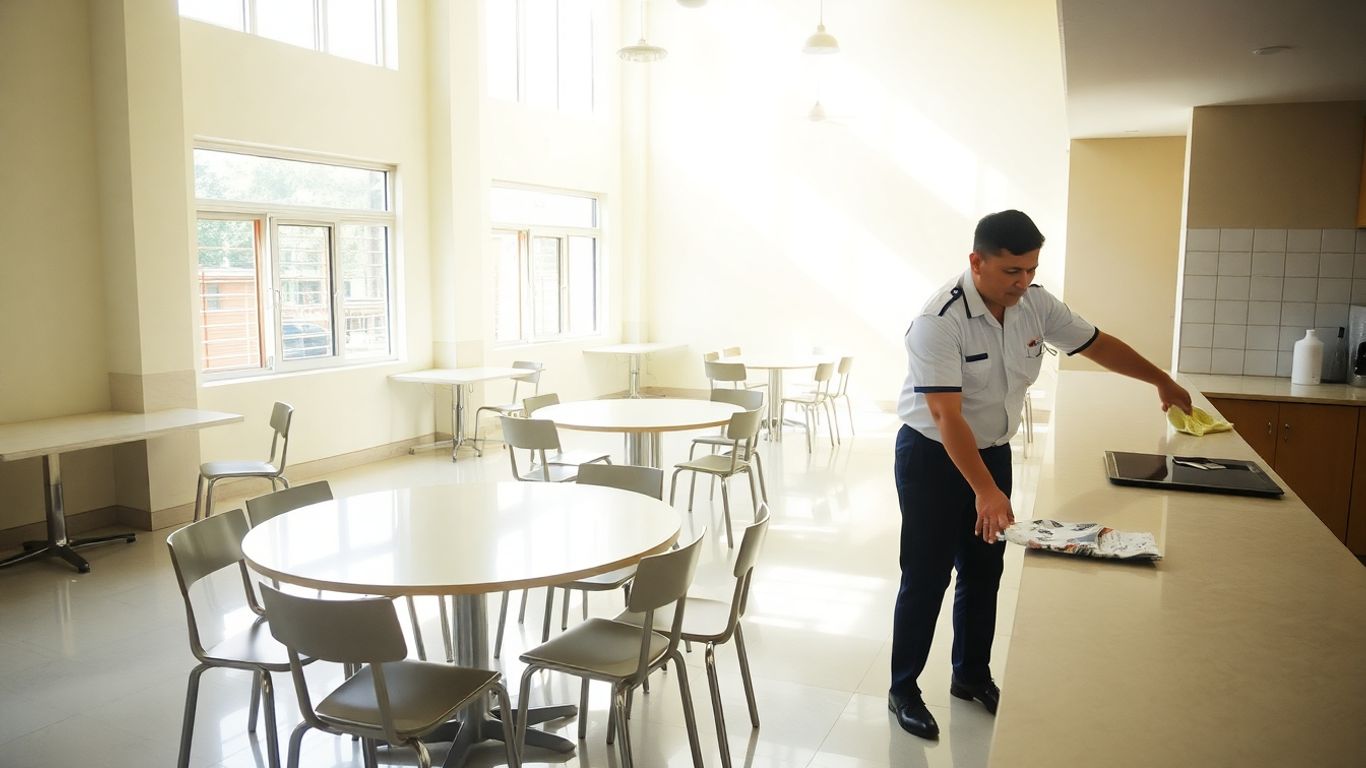 We all want our hostels to be safe and welcoming places. While our day-to-day cleaning routines are important, sometimes we need to call in the professionals, especially when things get a bit serious. This is where emergency cleaning services come into play, offering a specialised approach that goes beyond our usual efforts.
The Role Of Emergency Cleaning Services UK
When an unexpected incident occurs, like a significant spill or a confirmed illness outbreak, our regular cleaning staff might not have the specialised equipment or training to handle it effectively. This is when we turn to professional emergency cleaning services. These teams are equipped to deal with biohazards and deep contamination, using industrial-grade disinfectants and techniques that we wouldn't typically have access to. They can quickly sanitise affected areas, minimising the risk of disease spread and getting our hostel back to normal operations swiftly. It’s about having a reliable partner for those moments when standard cleaning just won't cut it. We've found that using these services provides a much higher level of assurance for both our guests and our staff, especially after a guest has been unwell. You can find more information on maintaining hotel hygiene standards to understand the baseline we aim for.
Staff Training And Personal Protective Equipment
Alongside professional services, we also focus on empowering our own team. Proper training is key. Our staff are educated on identifying potential risks and understanding the correct procedures for cleaning up after illness or accidents. This includes knowing when to escalate a situation to a professional service. Furthermore, providing the right Personal Protective Equipment (PPE) is non-negotiable. This means ensuring our team has access to gloves, masks, aprons, and other gear necessary to protect themselves while cleaning potentially contaminated areas.
Here’s a quick rundown of what we provide:
- Disposable gloves and aprons
- Face masks (where appropriate)
- Hand sanitiser readily available
- Clear guidelines on PPE usage
We believe that a combination of professional intervention when needed, coupled with a well-trained and properly equipped in-house team, creates the most robust defence against the spread of infections in our hostels. It’s a layered approach to safety.
We also make sure that any laundry that might be contaminated is handled with extreme care. This involves using separate, sealed bags and ensuring it's washed at the correct high temperatures to kill any pathogens. For soft furnishings and carpets that can't be easily washed, steam cleaning is our go-to method, reaching temperatures that effectively sanitise the materials.
Our Takeaway
So, we've seen how important it is to keep hostels clean, especially when someone's been sick. It's not just about making the place look nice; it's about stopping germs from spreading and keeping everyone safe. By following proper cleaning steps, like washing bedding at high temperatures and disinfecting surfaces, we can really make a difference. It means we can all enjoy our travels without worrying too much about catching something nasty. It’s a team effort, really, and a clean hostel is a happy and healthy hostel for all of us.
Frequently Asked Questions
What should we do if someone is sick in a hostel?
If a guest or staff member shows symptoms of illness, especially vomiting or diarrhoea, we need to act fast. We'd encourage them to stay in their room until they're symptom-free for at least 48 hours. We also need to inform our local health authorities if we see more than one case, just to be safe. Prompt cleaning of their room after they leave is crucial to prevent the illness from spreading.
How do we clean up spills safely?
When a spill happens, especially bodily fluids, we first cordon off the area to keep everyone else out. We use disposable towels to soak up the mess, then pour a disinfectant solution over them and leave it for a few minutes. After carefully bagging and sealing the used towels and any other waste, we thoroughly clean the area with hot water and detergent, followed by disinfection. It's vital to wear gloves and aprons throughout and wash our hands thoroughly afterwards.
What's the best way to handle dirty laundry?
Contaminated bedding and towels need special care. We put them straight into separate laundry bags, avoiding shaking them out. They're then washed separately at a high temperature, at least 60°C. If we use an outside laundry service, we make sure they know the laundry might be contaminated so they can take the right precautions.