Key Takeaways
Maintaining firm standards is essential for long-term effectiveness in support roles. By prioritising clear communication and internal wellbeing, teams can create safer living environments for all residents.
- Establish consistent interaction patterns early.
- Prioritise your own mental health through reflection.
- Use professional distance to model healthy relationships.
- Communicate limitations clearly and consistently to residents.
- Foster a culture of mutual team support.
Understanding the importance of professional boundaries in a hostel environment
Working within a support setting requires us to keep a careful balance between being available and maintaining the necessary professional distance. When we fail to hold these lines, the blurring of roles can lead to increased stress for both staff and the individuals we support. We must cultivate a space where professionalism guides every interaction to ensure safety and sustainable care for everyone involved.
The risk of burnout and compassion fatigue
The emotional weight of supporting people in crisis often leads to exhaustion if we do not check our own limits. We find that building professional resilience in homeless services is a vital skill that helps us stay effective while acknowledging the cumulative nature of our work. Without these protections, our ability to provide high-quality support inevitably diminishes.
Protecting personal well-being while supporting vulnerable residents
Our wellbeing is not an obstacle to care; it is the foundation upon which our support is built. We often discuss hostel staff views on palliative care as a way to understand how we can maintain dignity for residents without overextending ourselves. Protecting our own peace allows us to return to work each day with a clear and focused mind.
Modelling healthy relationship dynamics for service users
Many of our residents may lack experience with stable or respectful interactions. By adhering to a professional framework, we provide a consistent example of how healthy communication works in practice. This consistency offers residents a predictable environment, which is often a rare commodity in their lives.
Establishing clear communication guidelines with residents
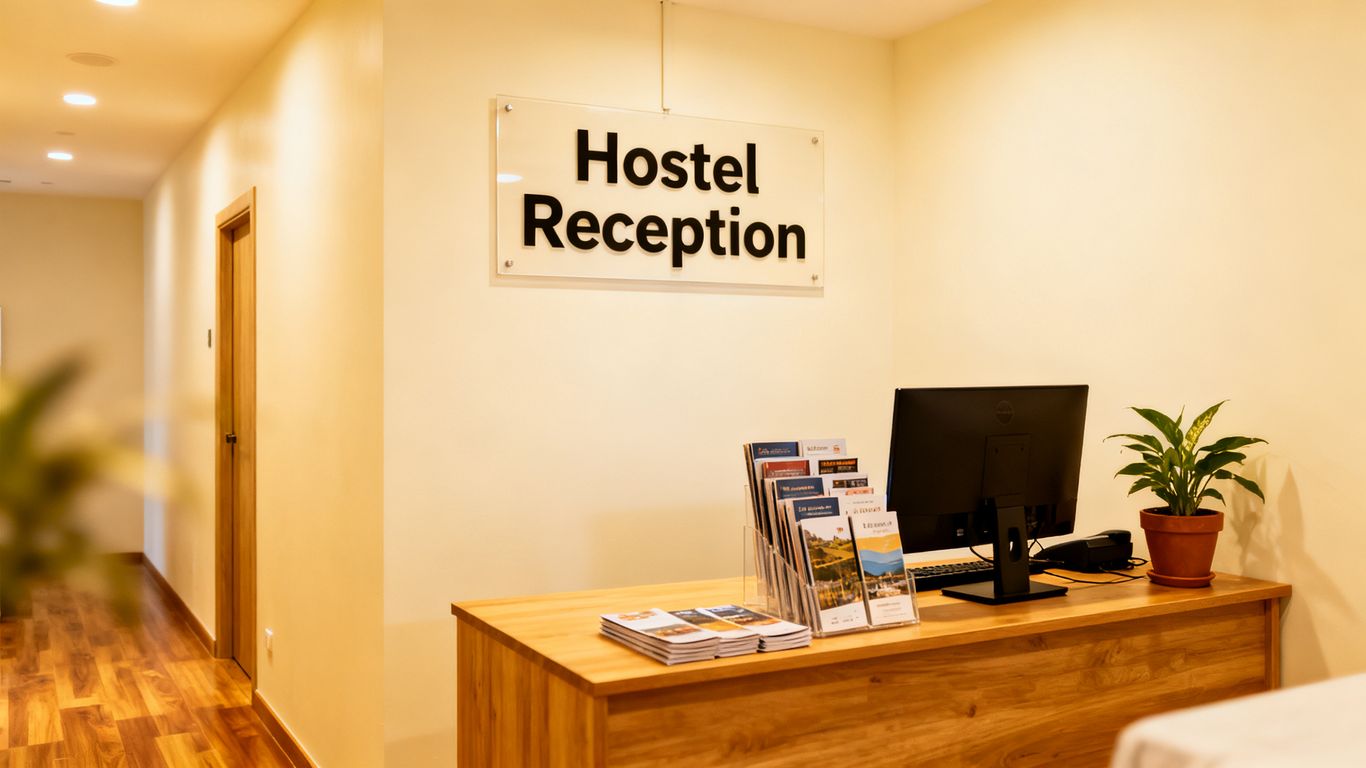 Setting the tone for our interactions begins the moment a resident arrives at the hostel. We must be explicit about the nature of our role to prevent misunderstandings that could lead to frustration later. Clear guidelines help build a sense of predictability and safety within the community.
Setting expectations during the induction process
During the initial intake, it is important to lay out exactly what a resident can expect from the support team. When we clearly define the boundaries of our work, we empower residents to navigate their stay with greater clarity. Being direct at the start prevents many future boundary conflicts.
Managing appropriate requests for personal information
We often face questions about our domestic lives, which are usually attempts to find common ground. We must politely steer these conversations back to the resident's goals while maintaining a helpful demeanour. It is essential to keep the focus on the resident's journey rather than our private affairs.
Using objective language in case notes and daily interactions
Our documentation should reflect facts and observations rather than personal interpretations. By using objective language, we ensure that our records remain professional and fair to the resident. This practice also helps us detach emotionally from the daily crises we manage.
Strategies for maintaining emotional and psychological distance
Maintaining a psychological buffer is absolutely critical for our ability to perform our duties. If we absorb every challenge we witness, we will struggle to return home in a healthy state of mind. We have learned that adopting a professional perspective keeps us grounded and capable.
Recognising the difference between empathy and sympathy
Empathy allows us to understand the resident's perspective, whereas sympathy risks pulling us into an emotional entanglement that hampers our professional judgment. We aim to remain supportive without taking on the distress of those we serve. This distinction helps us maintain emotional stability while working on the front lines.
Practising effective compartmentalisation after challenging shifts
We have found that clear rituals help us leave work at the hostel door. Following a set routine is helpful for cooling down after a difficult day:
- Complete all critical documentation before leaving the site.
- Engage in a brief debrief with the outgoing team members.
- Change out of work attire to signal the end of the shift.
- Participate in a physical activity to release lingering stress.
These simple habits allow us to transition from our professional duties to our personal lives with greater ease.
Managing the impact of vicarious trauma
Witnessing the struggles of others leaves an impact, and we must acknowledge that vicarious trauma is a reality of our field. We prioritise regular check-ins to discuss these impacts rather than letting them build up over time. Awareness and open dialogue act as our best defenses against the long-term effects of this stress.
Navigating the complexities of personal disclosure
 Deciding what to share about ourselves is a delicate act of balance. We must determine if self-disclosure helps the resident or simply satisfies a momentary need for connection. Our role is to be a stable pillar, not a participant in a peer-to-peer friendship.
Determining what information is relevant to the support role
We only share personal details when they serve a specific therapeutic purpose or help build necessary rapport. If a detail does not advance the support plan, it is usually better to keep it private. This discretion ensures the focus remains firmly on the resident.
Handling resident persistence regarding your private life
When residents repeatedly ask about our personal lives, we must gently remind them of our professional role. We explain that our purpose is to focus on their needs rather than our own stories. Kindness combined with firmness usually prevents these requests from becoming an ongoing issue.
Using professional self-disclosure intentionally as a therapeutic tool
Sometimes, a managed disclosure of our own lived experience can validate a resident’s situation or help them feel less isolated. However, we must ensure these moments remain rare and deliberate.
A well-timed and brief acknowledgement of our own challenges can create a therapeutic bridge that encourages trust and openness. However, this must never shift the focus away from the resident's immediate support needs or create a confusing sense of reciprocity.
After such disclosures, we immediately return the focus to how the resident is feeling or what steps they are taking to reach their own goals.
Managing power dynamics and boundary testing
Boundary testing is a common way residents gauge whether the hostel staff will remain a stable presence. We must stay firm, as our predictability is a form of safety that residents often crave. We approach these moments as testaments to our commitment to a professional environment.
Why consistency is the highest form of compassion
Being consistent means we apply rules and expectations in the same way, every single day, regardless of the situation. This fairness provides a sense of security for residents, as they know exactly where they stand whenever they approach us for help. It is, in essence, an act of care.
Responding to manipulation tactics without adopting a punitive tone
Manipulation often masks a fear of rejection or a need to regain control. We must address these behaviours without becoming punitive or harsh, which only escalates the tension. Calm, neutral responses serve to reinforce our boundaries without alienating the resident.
Recognising when to escalate boundary issues to management
There are moments when a resident's boundary testing becomes an obstacle to the safety of others or our own wellbeing. In these instances, we must involve our managers early to ensure we are not handling complex situations in isolation. Escalation is a proactive step, not a failure of our ability to manage the role.
Cultivating a supportive team culture to reinforce boundaries
No staff member should have to navigate complex boundary issues by themselves. A strong team provides a safety net that reinforces the professional standards we set across the hostel. We work best when our values are aligned and our communication is open and frequent.
Encouraging peer-to-peer support and professional shadowing
We lean on each other to discuss difficult encounters and share strategies for handling tricky requests. Shadowing more experienced team members helps us learn how to navigate these challenges in real time. This peer support system keeps us connected to our goals and reduces the isolation that can develop in challenging roles.
Utilising clinical supervision to address specific boundary conflicts
Supervision provides us with a dedicated space to examine our own reactions to resident behaviours. When we adopt a trauma-informed approach to our work, we gain a deeper awareness of why boundaries were crossed. These sessions turn conflicts into learning opportunities for our ongoing professional development.
Developing consistent hostel-wide policies on staff-resident contact
Uniform policies make it easier for every team member to hold the line with confidence. When we all follow the same guidelines, residents come to understand that our boundaries are an institutional standard rather than a personal whim. These collective agreements create a more professional homeless hostel for everyone.
Conclusion
Building strong boundaries is a fundamental component of maintaining quality care in our daily work. By staying attentive to our professional limitations, we ensure that we can continue to support our residents with the empathy and resilience they deserve. We should always remember that a professional hostel environment relies on our shared commitment to clear structures, mutual team support, and the ongoing practice of healthy interpersonal relationships.
Frequently Asked Questions
Why do we need boundaries with homeless residents?
Boundaries provide the necessary psychological safety and consistency required to help residents rebuild their lives. They prevent the blurring of roles that can lead to confusion and emotional burnout for staff.
Is it ever acceptable to give a resident my phone number?
No, professional practice dictates that all communication should pass through official hostel channels. Providing personal contact details compromises your safety and creates an unhealthy dynamic that complicates the support process.
How can I handle a resident who is constantly testing boundaries?
Respond with calm, consistent, and neutral communication that focuses on existing rules and expectations. Avoid taking these actions personally and remember that they are often a response to trauma or a lack of stability.
What should I do if a resident shares something highly personal?
Practice empathetic listening while remaining within your professional role. Acknowledge what they have shared, keep the information confidential as per protocol, and focus on connecting them with the appropriate support services.
Does staying professional mean I cannot be kind?
Professionalism and kindness are not mutually exclusive. In fact, being consistent and firm in your boundaries is an act of care that provides residents with the stability they need to work toward their personal goals.
How do I stop work stress from affecting my life?
Implement clear routines that signal the end of your shift, such as completing all paperwork and changing out of work clothes. Engaging in regular team debriefs is also essential to manage the emotional impact of the role.
What if my coworker isn't keeping correct boundaries?
Discuss your concerns with your colleague in a constructive manner, or raise the issue during clinical supervision. Maintaining a standard of practice is a shared responsibility, and team-wide consistency is the only way to ensure resident and staff safety.