Emergency Response Protocols for Hostels: Real-Life Lessons for Safety

When we think about staying in hostels, we often focus on the social side and saving money. But what happens when things go wrong? We've been looking into how hostels can get ready for emergencies, because let's face it, unexpected things can pop up. It's not just about having a fire extinguisher; we need a solid plan for all sorts of situations. This article is about what we can learn from real events to make sure our emergency response in hostels is up to scratch.
Key Takeaways
- We need to make sure hostels have good safety basics covered, like secure doors and clear ways to get out if there's trouble. Having a plan for getting everyone out safely is a big part of this.
- Staff training is super important. We should make sure everyone knows how to handle basic medical stuff, like CPR, and also be ready for things that might happen specifically in a hostel setting.
- Having the right gear, like first aid kits that are easy to find and fire safety equipment that works, makes a huge difference when an emergency strikes.
Establishing Robust Emergency Response in Hostels
 When we think about running a hostel, it’s easy to get caught up in the day-to-day – checking people in, keeping the place tidy, and making sure everyone’s having a good time. But we also have to face the fact that things can go wrong. It’s not about being a pessimist; it’s about being prepared. We need to have solid plans in place for when the unexpected happens, whether it’s a minor incident or something more serious. This section looks at how we can build a strong foundation for dealing with emergencies.
Essential Safety Features for Hostel Security
Keeping our guests safe starts with the basics of security. This isn't just about having a lock on the main door. We need to think about how we control who comes in and out. Using key cards or digital codes is often better than traditional keys, which can get lost or copied easily. Good lighting is also a big help, especially in corridors, stairwells, and outside areas. It helps people see where they're going and can make potential troublemakers think twice. We also need to make sure that our emergency exits are clearly marked and, importantly, that they are never blocked. Fire safety equipment, like smoke alarms and fire extinguishers, needs to be checked regularly to make sure it’s working. And don't forget about secure storage for guests' belongings; lockers are a must. Cameras in common areas can also be a deterrent.
Here’s a quick rundown of key security features:
- Secure entry systems
- Adequate lighting throughout
- Clearly marked emergency exits
- Regularly maintained fire safety equipment
- Secure lockers for guests
We can't predict every event, but we can prepare for many. Having these safety features in place isn't just about ticking boxes; it's about creating a space where people feel safe and looked after.
Developing Comprehensive Evacuation Plans
Having the right gear is one thing, but knowing what to do when the alarm goes off is another. We need a clear plan for getting everyone out safely if there’s a fire or another emergency. This means having evacuation routes clearly marked on maps in rooms and common areas, and making sure all our staff know these routes inside out. Practising these plans is also a good idea. A simple drill now and then can help everyone know what to do without panicking. It’s also important to have a list of emergency contacts readily available, including local emergency services and nearby hospitals. Knowing how to contact local health services quickly can make a huge difference.
We should also think about specific scenarios, like what to do if someone has a medical emergency in a dorm or a common area. Having a well-stocked first aid kit is a given, but knowing how to use it is even better. We need to make sure our staff are trained in basic first aid, covering things like CPR and how to handle choking. This kind of training is really important for any hostel.
Here are some points to consider for our evacuation plans:
- Clear Signage: Ensure all escape routes and exits are clearly marked and visible, even in low light.
- Staff Training: All staff must be familiar with evacuation procedures and their specific roles during an emergency.
- Regular Drills: Conduct periodic evacuation drills to test the plan and familiarise staff and, where possible, guests with the process.
- Assembly Points: Designate safe assembly points away from the building where everyone can gather after evacuating.
- Guest Information: Provide guests with clear information about emergency procedures upon check-in or in their rooms.
Equipping Staff for Hostel Emergencies
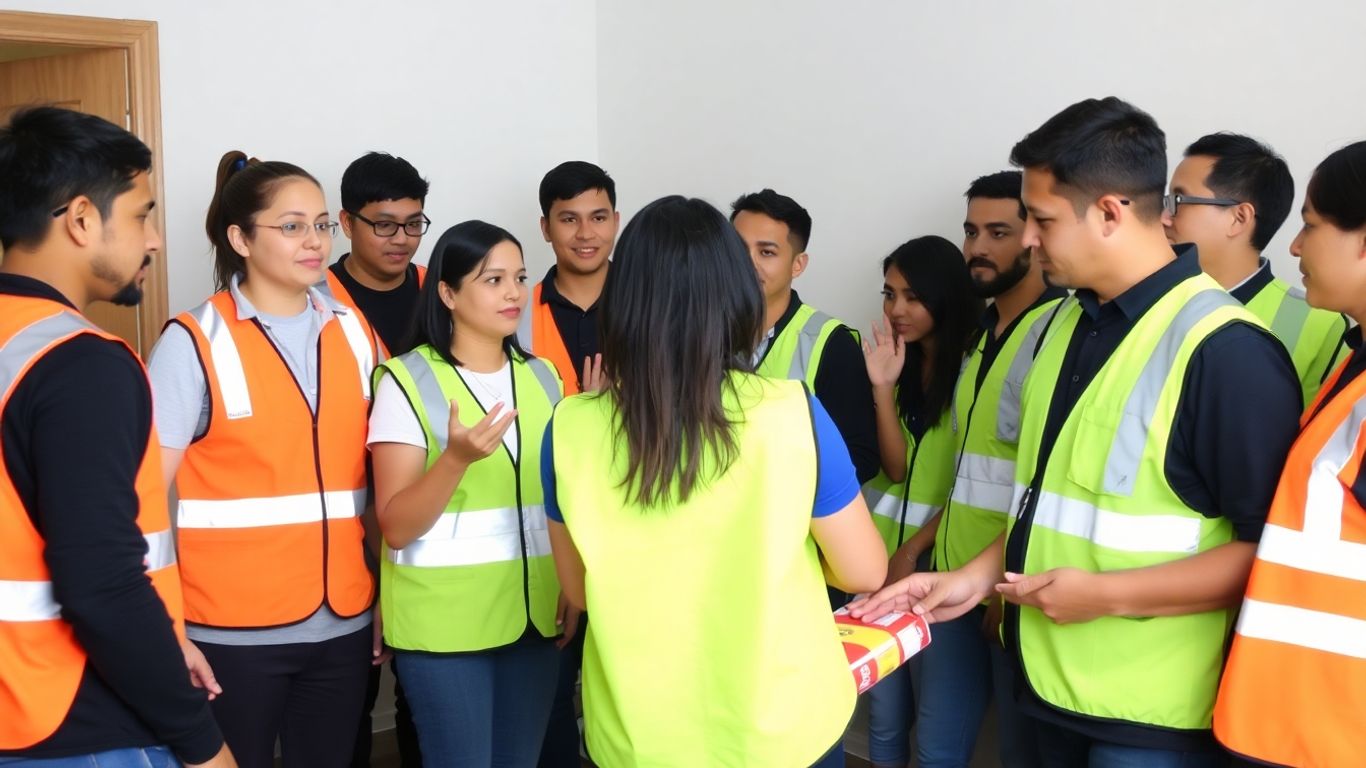 When we talk about keeping our hostels safe, we can't forget about the people who are there day in and day out – our staff. They're the first line of defence, and making sure they're ready for anything is a big part of our job. It’s not just about having the right equipment; it’s about having the right skills and confidence.
Prioritising Basic Life Support Training
We believe that basic life support training should be at the top of our list. This means making sure everyone on our team knows how to handle those critical moments before professional help arrives. Think about it: someone collapses, or a guest is choking. Knowing what to do can genuinely make a difference.
- Cardiopulmonary Resuscitation (CPR): This is non-negotiable. Our staff need to be trained and regularly refreshed on how to perform CPR effectively. It’s about keeping blood and oxygen flowing when someone’s heart has stopped.
- Choking Management: Simple techniques can clear an airway. We need to ensure our team knows how to recognise choking and how to help someone who can't breathe.
- Automated External Defibrillator (AED) Use: If we have an AED on site, which we really should, then everyone needs to know how to use it. These devices are designed to be user-friendly, but a bit of training goes a long way.
We've found that hands-on sessions, where staff can actually practice these skills, are far more effective than just reading a manual. Mock drills, even simple ones, help build muscle memory and reduce panic when the real thing happens. The confidence our staff gain from knowing they can help in a serious situation is invaluable. It's not just about following a procedure; it's about having the ability to act decisively.
Tailoring First Aid for Hostel Scenarios
While basic life support is key, we also need to think about the specific kinds of incidents that might happen in a hostel environment. Our guests aren't just sitting in offices; they're travelling, exploring, and sometimes, they have accidents. We need to train our staff to recognise and deal with common issues like:
- Slips, Trips, and Falls: These are incredibly common, especially in older buildings or areas with lots of foot traffic. Knowing how to assess an injury, help someone up safely, and provide basic wound care is important.
- Minor Burns: Whether it's from a kitchen accident or someone touching a hot pipe, knowing how to cool a burn and dress it properly is a must.
- Allergic Reactions: From food to insect stings, allergic reactions can range from mild to severe. Staff should know the signs and how to administer basic treatments like antihistamines if available.
We also need to consider our location. If we're near water, training on water-related incidents might be necessary. If we're in a busy city, understanding how to deal with traffic-related injuries or even just helping someone who's lost or disoriented is part of the picture. Making sure our first aid kits are well-stocked and easily accessible, with clear labels, is also part of equipping our team properly.
Moving Forward: Our Collective Responsibility
Looking back at everything we've discussed, it's clear that keeping hostels safe isn't just a one-off task; it's an ongoing effort. We've seen how real-life situations highlight the need for solid plans, well-trained staff, and the right equipment. It's about more than just having a fire extinguisher; it's about having a clear process for when things go wrong, whether it's a minor medical issue or something more serious. By focusing on basic first aid, clear evacuation routes, and making sure our teams are prepared, we can create a much safer environment for everyone. We all play a part in this, and by sharing these lessons, we hope to help make every hostel a more secure place for travellers.
Frequently Asked Questions
What are the most important safety features we should have in our hostel?
We reckon the most crucial safety features for any hostel include secure entry systems that stop unwanted visitors, good lighting everywhere, especially in hallways and stairs, and clearly marked emergency exits. We also think having fire safety gear like alarms and extinguishers is a must, along with secure lockers for guests' belongings. Cameras in common areas and readily available first aid kits also make a big difference in keeping everyone safe and sound.
Why is it important for our staff to know basic life support?
It's really important for our staff to know basic life support, like CPR, because emergencies can happen unexpectedly. If someone has a heart attack or chokes, our trained staff can step in straight away to help keep them safe until professional medical help arrives. This training could literally save a life, and it gives our guests peace of mind knowing we're prepared.
How should we tailor our emergency training for our specific hostel?
We should tailor our training to the kinds of things that might happen in our hostel. For example, if we have a swimming pool, we need to train staff on how to handle accidents there. If we're in a busy city, we might focus more on traffic accidents or medical issues common in urban areas. Thinking about our location and facilities helps us prepare for the most likely emergencies we might face.