Creating Safe Spaces: The Role of Security in Homeless Hostels

When people are facing homelessness, the places they turn to for shelter should feel safe. We've been looking into how hostel security UK services can make a real difference. It's not just about locks and cameras, though those are important. It's also about how we treat people and the environment we create. We want everyone to feel respected and secure.
Key Takeaways
- Making sure hostels have visible security and clear rules helps everyone feel safer and more respected.
- Building good relationships with the community and local services can provide residents with extra support and resources.
- Thoughtful design, like creating private spaces and using calming decor, can make hostels feel more welcoming and dignified.
Establishing A Foundation Of Trust And Safety
When we think about creating safe spaces in hostels, the first thing that really matters is building trust. It's not just about locks and alarms, though those have their place. It's about how we interact with everyone who walks through our doors. We need to make sure people feel seen, heard, and respected from the moment they arrive. This means our approach has to be warm and welcoming, not cold and clinical.
The Vital Role Of Empathetic Engagement
We've found that genuine empathy makes a huge difference. It's about understanding that many people we support have been through tough times, maybe even trauma. So, when we talk to people, we try to lead with respect. This isn't just a nice-to-have; it's a core part of how we de-escalate situations before they even start. Our staff are trained to listen, to really hear what people are saying, and to explain things clearly, even when it's a difficult conversation. Sometimes, just knowing someone's name and using it can go a long way in building that connection. We're trying to hire people who are naturally good at outreach, people who can connect with others on a human level.
- Listen actively: Pay attention to what people are saying, both with their words and their body language.
- Show respect: Treat everyone with dignity, regardless of their background or current situation.
- Explain clearly: When rules or decisions need to be communicated, do so in a way that is easy to understand.
- Be patient: Understand that building trust takes time and consistent effort.
We believe that a positive relationship with the people we serve is key. It means we can help them get what they need, rather than just resorting to telling them they can't be here. It's about finding solutions together.
Building Bridges Through Community Partnerships
We can't do this alone. Working with other organisations in our community is really important. We connect with social services, local charities, and even law enforcement when needed. This network helps us provide a wider range of support for our residents, from housing advice to legal help. It's about creating a web of support so that we can keep our hostel safe while also offering real help to people who need it. By sharing resources and working together, we can make a bigger impact and help more people get back on their feet.
- Collaborate with local charities and support groups.
- Liaise with social services and mental health providers.
- Establish clear referral pathways for residents needing extra help.
- Share information and best practices with partner organisations.
Enhancing Hostel Security Through Proactive Measures
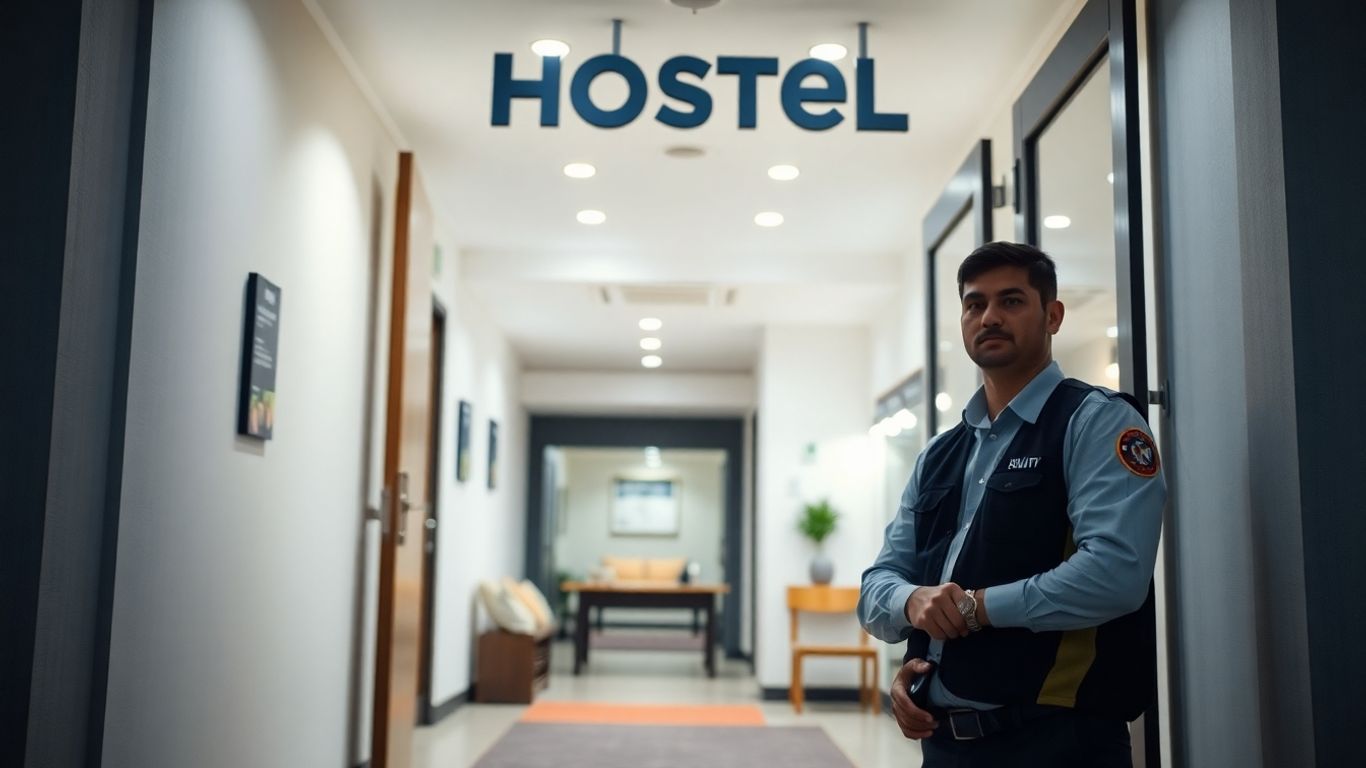 When we talk about making hostels safe, it's not just about locking doors. It's about creating an atmosphere where everyone feels secure, day and night. We need to be smart about how we approach security, thinking ahead rather than just reacting to problems.
The Impact Of Visible Security And Surveillance
Having a visible security presence can make a big difference. When people know that staff are around and paying attention, it tends to discourage bad behaviour. This isn't about being heavy-handed; it's about creating a sense of order and care. Think about it: a friendly face on patrol, or clear signage about rules, lets residents know we're here to support them and keep things running smoothly. We've found that simple things, like regular walk-throughs by staff, can really help.
Surveillance, when used thoughtfully, can also be a tool for safety. It's not about spying on people, but about having a record of what happens. This can be incredibly useful if there's ever a dispute or an incident. It helps us understand what went on, protect our staff, and most importantly, protect the residents.
Implementing Clear Guidelines For A Respectful Environment
Setting clear expectations from the start is key. We need to have straightforward rules about behaviour in the hostel. This helps everyone understand what's expected of them and what they can expect from others. It’s about building a community where respect is the norm.
Here’s what we focus on:
- Clear communication: Making sure rules are easy to understand and accessible to everyone.
- Consistent application: Applying rules fairly and consistently, so there’s no confusion.
- Resident input: Where possible, involving residents in discussions about hostel guidelines.
We've learned that when people feel heard and understand the 'why' behind the rules, they're more likely to follow them. It's about collaboration, not just enforcement. This approach helps prevent misunderstandings and reduces the chances of conflict, making the hostel a more peaceful place for all.
We also keep detailed records of any incidents or complaints. This isn't just paperwork; it's vital information. It helps us spot patterns, understand recurring issues, and make informed decisions about how to improve things. Keeping good records means we can always refer back to what happened, who was involved, and what actions were taken. This level of detail is important for learning and for accountability.
Empowering Residents Through Thoughtful Design
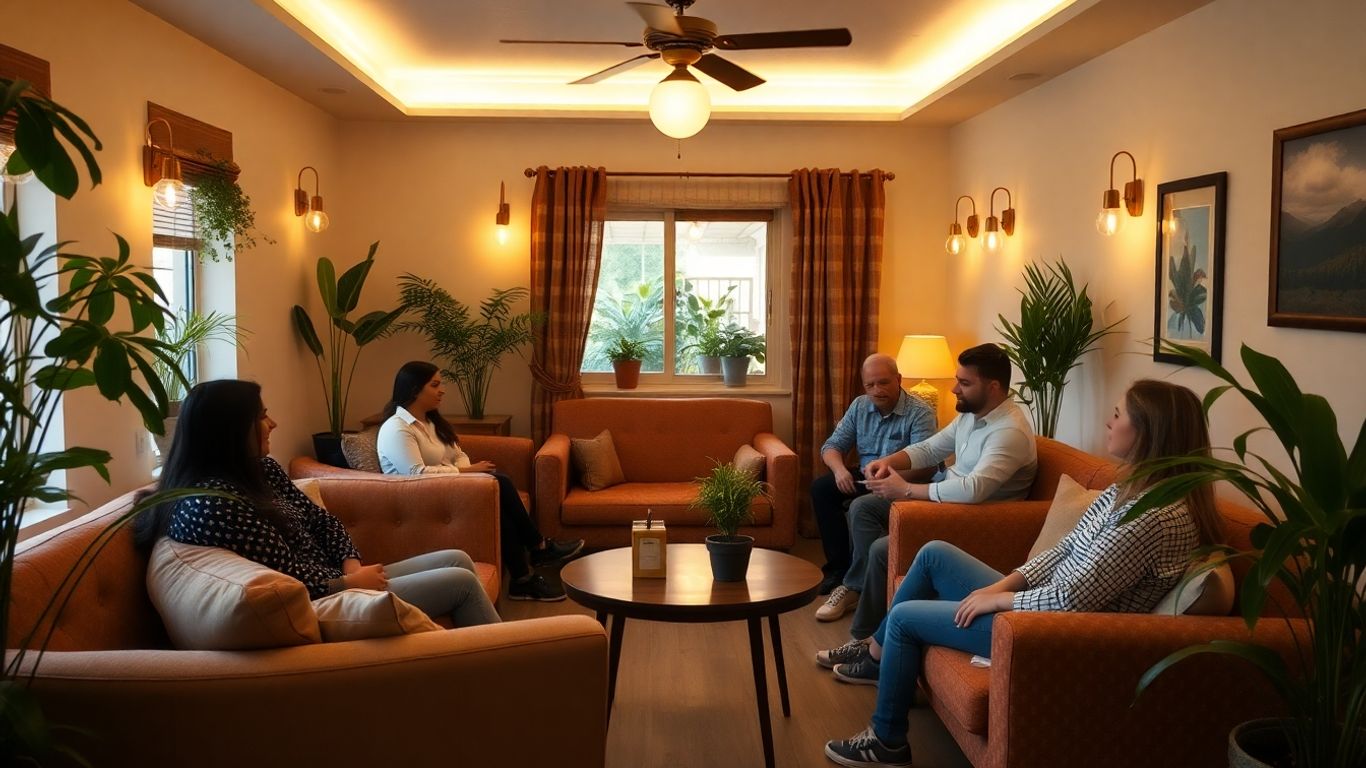 When we think about hostel security, it's easy to focus on locks and cameras. But we reckon a big part of making a place feel safe is actually down to how it's designed. It's about creating spaces that make people feel respected and give them a sense of control over their environment. This isn't just about making things look nice; it's about practical choices that can really change how someone feels day-to-day.
Creating Welcoming Spaces That Foster Dignity
We want our hostels to feel less like institutions and more like homes. This starts with the little things. Think about comfortable seating arranged in a way that encourages conversation, not just lining chairs up against a wall. We can add splashes of colour with murals or display artwork made by residents themselves. Having plants around, maybe even a fish tank, can make a space feel more alive and cared for. It’s about showing that we value the people staying with us by creating an environment that’s pleasant and cheerful. Making a space feel welcoming is a proactive step towards building trust.
We should also consider:
- Lighting: Plenty of good light, both inside and out, is really important. Dark corners can feel unsafe, and many people need to leave lights on to feel relaxed enough to sleep. This includes good security lighting outside.
- Comfortable Furnishings: Opting for soft, washable, and durable furniture makes a difference. It shows we're thinking about long-term comfort and ease of maintenance.
- Personal Touches: Allowing residents to display their own photos or projects can help them feel a sense of ownership and belonging.
The physical environment sends a message. A well-designed space communicates respect and care, which can be incredibly grounding for individuals who have experienced instability.
Prioritising Privacy And Personal Space
Feeling like you have your own space is a basic human need, and it's especially important for people who might be sharing facilities. We need to think about how we can give residents privacy, even in a shared living situation. This could mean providing secure storage for personal belongings, so people don't have to worry about their things being seen or taken. It also means thinking about quiet areas where someone can just go to be alone for a bit, away from the main hustle and bustle. Thoughtful housing design can really help with this, creating nooks and crannies that offer a sense of personal retreat.
Here are some ways we can approach this:
- Secure Storage: Offering lockable cabinets or spaces for residents to keep their possessions safe is a must.
- Quiet Zones: Designating specific quiet rooms or even small, peaceful outdoor areas can provide much-needed respite.
- Room Layout: Arranging furniture and even using plants can help create natural divisions within larger spaces, offering a subtle sense of personal territory without building walls.
We also need to remember that privacy extends to personal care. Well-lit, clean bathrooms with adequate supplies are non-negotiable. For families, having a changing table and a place to dispose of diapers makes a huge difference. It’s all about respecting individual dignity at every turn.
Moving Forward Together
We've seen how important security is in hostels, not just for keeping people safe, but for making them feel respected and cared for. It's about creating places where everyone can find a bit of peace and start to rebuild their lives. By working together, sharing what we've learned, and always putting people first, we can make sure these safe spaces truly live up to their name. Let's keep building on this, one hostel, one person, at a time.
Frequently Asked Questions
How can we make sure everyone feels safe in a hostel?
We can ensure safety by having clear rules that everyone follows and by making sure our staff are trained to handle difficult situations with kindness and understanding. It's also important to have security measures like cameras and good lighting, but equally important is creating a welcoming atmosphere where people feel respected and heard. Building trust between staff and residents is key, and this can be done through open communication and by making sure everyone's personal space and belongings are protected.
What role does the building's design play in hostel safety?
The way a hostel is designed can really affect how safe and comfortable people feel. Having private spaces, like individual rooms or areas where people can go to be alone, is crucial. Good lighting both inside and outside makes a big difference, as dark areas can feel threatening. Using plants or furniture to create smaller, more private zones within larger spaces can also help people feel more secure. Making the environment cheerful with art and comfortable seating can also contribute to a sense of well-being.
How can hostels work with the community to improve safety?
Hostels can greatly improve safety by working closely with local organisations and law enforcement. By building good relationships, they can share information and coordinate efforts to support residents. This means having a list of local resources, like places to get food or help with finding a home, that residents can be directed to. Partnering with social workers and other support services ensures that residents get the help they need, making the hostel a safer and more supportive place for everyone.