We're facing a real squeeze when it comes to finding affordable places to live in the UK. It feels like the demand for homes is just shooting up, while building enough new ones is a struggle. This article looks at why it's so hard to find affordable housing and what we can do about it.
Key Takeaways
- The UK is grappling with significant affordable housing challenges, driven by a gap between the growing need for homes and the slow pace of new construction.
- Addressing these issues requires streamlining planning processes, cutting red tape, and exploring innovative building methods and financing to increase housing supply.
- Supporting diverse housing options like rental properties and community-led initiatives is vital to meeting the varied needs of the population.
Understanding the Affordable Housing Challenges UK
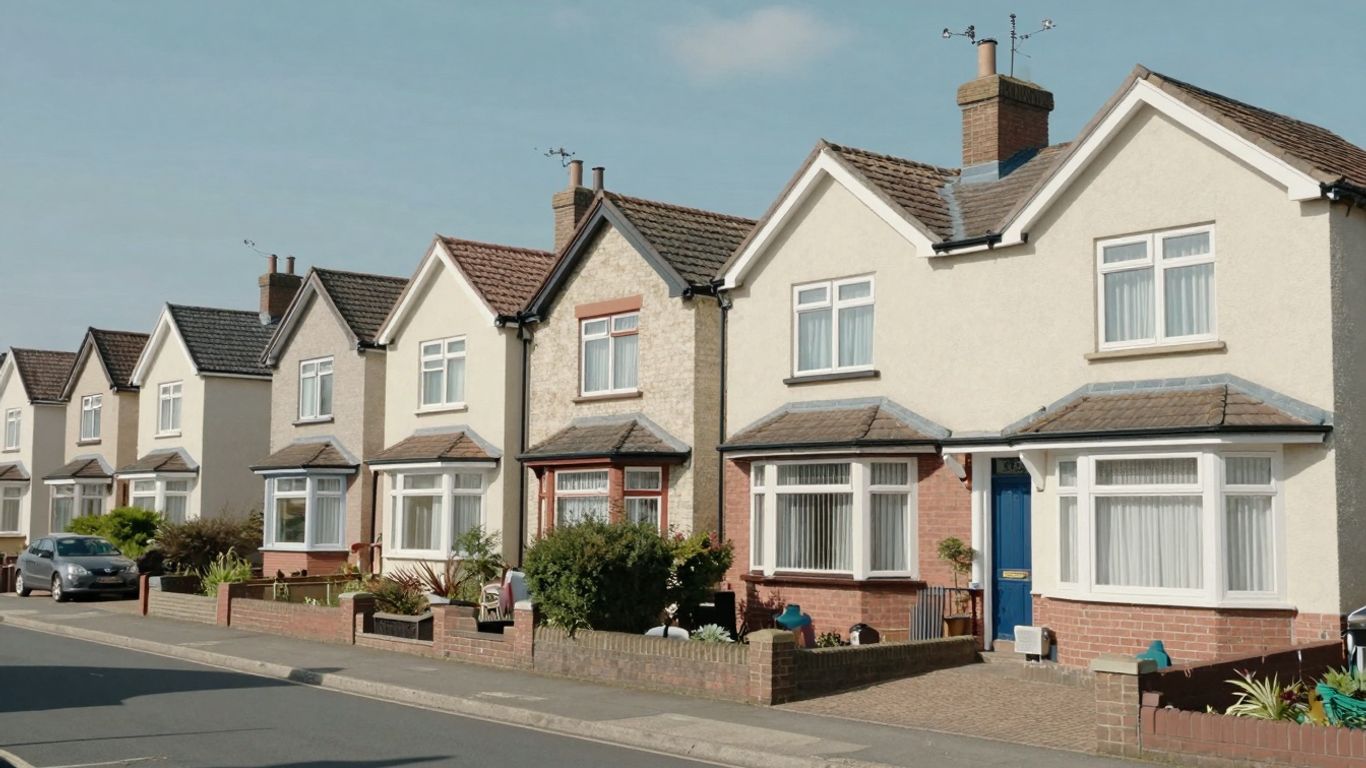 It feels like everywhere we look, the cost of just living is going up, and housing is a massive part of that. We're seeing a real squeeze across the country, and it's not just a problem for people on lower incomes anymore; it's hitting the middle class too. Rents are climbing, house prices are out of reach for many, and a whole generation is starting to wonder if they'll ever be able to afford their own place, let alone own one. This isn't just about numbers; it's about people's lives and their future security.
The Growing Demand for Affordable Homes
We're facing a situation where more and more people need affordable places to live, but the supply just isn't keeping up. Think about it: more people are moving to cities for work, and families are growing, all needing somewhere to call home. On top of that, the cost of living has been steadily increasing, with a significant majority of UK households feeling the pinch in January 2025. This means people have less disposable income for rent or mortgages, making the need for genuinely affordable housing even more pressing. It's a complex mix of demographic shifts and economic pressures all pointing to a greater need for homes that people can actually afford.
Factors Hindering Housing Supply
So, why aren't there enough homes? Well, it's a bit of a tangled mess. For starters, getting new homes built can be a really slow process. Planning permissions can take ages, and there are often a lot of fees involved that add to the overall cost. Then there's the actual building – finding skilled workers can be tough, and the cost of materials has been unpredictable. We're also not always building the right kind of homes in the right places. Sometimes, the focus is on high-end properties, leaving a gap for starter homes or affordable rentals. It feels like a few different things are all working against us when it comes to increasing the number of homes available.
The gap between what people earn and the cost of housing is widening. This makes it harder for many to save for a deposit or even keep up with rent payments, leading to increased housing instability for a growing number of people.
Strategies to Address the Housing Shortage
 Right, so we've talked about the problems, but what can we actually do about the housing shortage? It's a big one, isn't it? We reckon there are a few key areas we need to focus on, and they all need a bit of a joined-up approach. It’s not just about building more houses, though that’s a huge part of it. We need to be smarter about how we build, who we involve, and how we make sure these new homes are actually affordable for people.
Streamlining Development and Reducing Fees
One of the biggest headaches for anyone trying to build is the sheer amount of red tape. Getting planning permission and all the necessary permits can take ages, and honestly, it adds a lot to the cost. We need to make these processes quicker and simpler. Think about things like having faster approvals for smaller, straightforward projects, or just making sure local councils have enough staff and the right tech to process applications more efficiently. It’s not about cutting corners, but about removing unnecessary delays.
Then there are the development fees themselves. These charges, which developers have to pay, can make up a significant chunk of the final price of a home. If we could look at temporarily freezing or even reducing some of these fees, it could really encourage more building and hopefully bring down prices for buyers. It’s a bit of a balancing act, but we’ve got to try something.
Innovative Construction and Financing Models
We can't just keep building houses the same old way. We need to embrace new ideas. Modular and prefabricated housing, for example, can be built much faster than traditional methods. If we can get more support and funding for these approaches, it could really help speed things up and cut down on costs, especially when we're struggling with a shortage of skilled workers.
Financing is another big piece of the puzzle. We need ways to bring in more investment for large-scale housing projects. Things like Real Estate Development Trusts (REDTs) can help developers get the funds they need upfront, which means they can get building quicker and get homes to people faster. It’s about finding clever ways to fund the construction of the homes we desperately need.
Supporting Rental and Community Housing
It’s not all about homeownership, though. We need more good-quality rental properties, too. This is especially important for students, people new to the country, and those on lower incomes. Governments could help by offering tax incentives, like rebates on VAT, to encourage developers to focus on building rental accommodation.
We also need to think about community-led housing projects. These can offer genuinely affordable options and build stronger local communities. Supporting housing associations and co-operatives can provide stable, affordable homes for people who might otherwise be priced out of the market. It’s about creating a housing system that works for everyone, not just a select few.
The sheer volume of homes needed means we have to look at every possible avenue. This includes not only building new properties but also making sure existing ones are well-maintained and available. We need a multi-pronged approach that tackles supply, cost, and suitability all at once.
Moving Forward Together
So, we've looked at the big problems with housing affordability and some of the ideas out there to fix it. It's clear that this isn't a simple issue with a quick fix. We've seen that building more homes, making it easier and cheaper to build them, and looking after the people who need housing most are all part of the puzzle. It's going to take everyone – governments, builders, communities, and us – working together. We can't just talk about it; we need to see real action. By focusing on practical solutions and remembering that everyone deserves a safe and affordable place to live, we can start to make a real difference for ourselves and for future generations.
Frequently Asked Questions
Why is it so hard to find an affordable place to live in the UK?
We're facing a big challenge because lots of people want homes, but we're not building enough new ones quickly enough. Also, the cost of building and land has gone up, making it more expensive to create new homes. Sometimes, the homes that are built don't match what people actually need, like smaller places for individuals or larger ones for families.
What are some clever ways we can build more homes faster?
We can speed things up by making the rules for building simpler and quicker to get through. Using new building methods, like making parts of houses in a factory (modular or prefab), can also help us build more homes in less time. Finding new ways to pay for building projects is also key to getting more houses made.
How can we help people who need affordable places to rent or buy?
We can support renting by encouraging builders to create more homes specifically for renters, maybe with some tax help. For community housing, we can support groups that own and manage homes for people who need them. We also need to protect the affordable homes we already have so they don't get sold and become too expensive.